
The Ultimate Overview of the Manaslu Trek
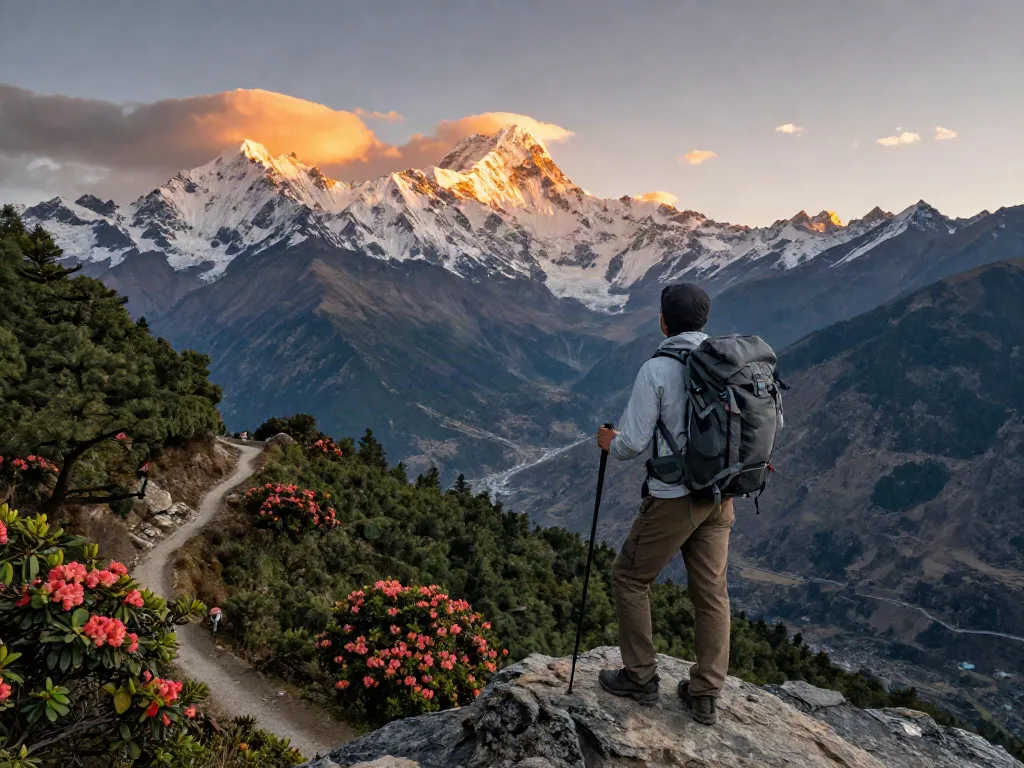
Embarking on the Manaslu Trek offers an unparalleled adventure that combines breathtaking scenery, rich cultural experiences, and a sense of tranquility far removed from the more crowded trails. Nestled in the Gorkha region of Nepal, this trek allows you to circle the majestic Mount Manaslu, the world’s eighth-highest peak at 8,163 meters (26,781 feet). This 15-day journey is designed to showcase the diverse landscapes ranging from lush valleys to high alpine terrains while immersing trekkers in the local culture of Tibetan-influenced villages. The Manaslu Circuit Trek is not just a trek; it's an experience that lingers in your memory long after you return home.
What is the Manaslu Trek?
The Manaslu Trek is a classic trek in the Himalayas; it leads you through the remote Manaslu Conservation Area, known for its stunning biodiversity and unique cultural heritage. The trek begins in the quaint village of Machha Khola and culminates in Dharapani. Over the course of 15 days, trekkers navigate approximately 177 kilometers (110 miles) through rugged terrains, high-altitude passes, and picturesque towns. The trek includes dramatic elevation changes, with heights reaching 5,160 meters (16,929 feet) at the Larkya La Pass, where panoramic views of the surrounding peaks reward your efforts.
Key Highlights and Unique Features
- Scenic Beauty: The trek provides breathtaking views of snow-capped peaks, lush forests, and terraced fields.
- Cultural Insights: Experience the rich Tibetan culture prevalent in the region, including monasteries, prayer flags, and traditional villages.
- Wildlife Spotting: The area is home to diverse wildlife, including snow leopards, Himalayan tahr, and various species of birds.
- Less Crowded: Unlike the Annapurna and Everest regions, the Manaslu Circuit sees fewer trekkers, offering a more serene experience.
Why Choose the Manaslu Trek Over Other Trails?
The Manaslu Trek stands out due to its combination of natural beauty and cultural experiences that are often less accessible on more popular routes. Trekkers looking for a less commercialized experience will find solace in the tranquility of the mountain trails, coupled with the chance to interact meaningfully with local communities. This trek allows for a deeper understanding of Nepal’s multicultural landscape while providing ample opportunities for adventure and exploration.
Planning Your Manaslu Trek: Essential Preparations
Best Time to Undertake the Manaslu Trek
The ideal seasons for the Manaslu Trek are spring (March to May) and autumn (September to November). During these months, the weather is typically stable with clear skies, allowing for breathtaking views of the Himalayas. Spring showcases vibrant blooming flowers, while autumn offers stunning landscapes framed by golden foliage. Trekking during these times means avoiding the monsoon season, which can bring heavy rainfall and make trails slippery and challenging.
Necessary Gear and Packing List
Proper gear is essential for a successful trek. Here’s a suggested packing list for the Manaslu Trek:
- Clothing:
- Footwear:
- Other Essentials:
Physical Fitness Requirements for Success
The Manaslu Trek is categorized as moderately difficult, primarily due to the altitude and the length of the trek. Trekkers should engage in a fitness regimen that includes cardiovascular exercises such as running, cycling, or long-distance hiking. Preparing your body to walk for 5 to 8 hours daily while navigating uneven terrain is crucial for success. Training should start at least two months prior to your trek to build stamina and endurance.
Navigating the Itinerary of the Manaslu Trek
Day-by-Day Breakdown of the Trek
The following is a summary of the itinerary for the Manaslu Circuit Trek, spanning 15 days:
- Day 1: Arrival in Kathmandu and transfer to hotel.
- Day 2: Drive from Kathmandu to Machha Khola.
- Day 3: Trek to Jagat.
- Day 4: Trek to Deng.
- Day 5: Trek to Namrung.
- Day 6: Trek to Lho.
- Day 7: Trek to Samagaon.
- Day 8: Acclimatization day; hike to Birendra Lake and Manaslu Base Camp.
- Day 9: Trek to Samdo.
- Day 10: Trek to Dharmasala.
- Day 11: Trek over Larkya La Pass to Bimthang.
- Day 12: Trek to Goa.
- Day 13: Trek to Dharapani.
- Day 14: Drive back to Kathmandu.
- Day 15: Departure from Kathmandu.
Acclimatization Strategies during Your Trek
Acclimatization is crucial for preventing altitude sickness during the Manaslu Trek. Day 8, spent at Samagaon, is specifically designed for acclimatization. During this day, trekkers are encouraged to hike to higher altitudes, such as Birendra Lake or Manaslu Base Camp, to allow their bodies to adjust before continuing to higher elevations. It’s important to stay hydrated and listen to your body’s signals throughout the trek.
Accommodation Options on the Manaslu Circuit
Accommodation along the Manaslu Circuit primarily consists of traditional teahouses and lodges. Most accommodations provide twin-sharing rooms with shared restrooms. Basic amenities, including Wi-Fi and charging facilities, might incur extra costs, especially at higher altitudes. While some teahouses may offer private rooms upon request, they cannot be guaranteed, especially during peak trekking seasons.
Understanding Costs and Budgeting for the Manaslu Trek
Average Costs and What’s Included
The cost for the Manaslu Circuit Trek generally ranges from $1,500 to $2,500, depending on various factors such as the trekking season, the number of participants, and the services included. Ace the Himalaya offers a standard price of $1,550 per person for a comprehensive package that includes transportation, accommodation, meals, permits, and the expertise of a qualified guide.
How to Save Money While Trekking
To optimize your budget during the trek, consider the following tips:
- Carry enough cash for the entirety of the trip, as ATMs and card facilities are rare on the trail.
- Choose teahouse accommodations wherever possible to reduce costs.
- Opt for local meals instead of expensive imported snacks and drinks.
- Participate in group treks to lower individual costs.
Tips for Managing Cash and Payments
Managing cash during the Manaslu Trek is essential. Most teahouses do not accept cards, and ATMs are only available in larger towns like Kathmandu and Pokhara. It's advisable to exchange currency before heading into the trekking areas and to carry small denominations for purchasing food and accommodation along the trail.
Frequently Asked Questions about the Manaslu Trek
Is the Manaslu Trek suitable for solo travelers?
While it is possible for solo travelers to embark on the Manaslu Trek, it is recommended to hire a registered guide, as the area is a restricted region requiring permits that can only be arranged through an agency. Trekkers traveling solo will also benefit from the local knowledge and support provided by a guide.
What are the main challenges faced during the trek?
The Manaslu Trek presents several challenges, including steep ascents and descents, unpredictable weather conditions, and the risk of altitude sickness. Proper preparation, both physically and mentally, is crucial in overcoming these challenges.
What permits are required for the Manaslu Circuit?
To trek the Manaslu Circuit, you will require: the Manaslu Conservation Area Permit (MCAP), the Manaslu Restricted Area Permit (MRAP), the Annapurna Conservation Area Permit (ACAP), and a Trekkers’ Information Management System (TIMS) card.
How can I ensure my safety during the trek?
Safety during the trek can be ensured by good preparation, including physical training, proper gear, and hiring an experienced guide who is knowledgeable about the region and altitude sickness management. Always listen to your body and be prepared to descend if you experience severe symptoms of altitude sickness.
What wildlife and flora can I expect to see?
You can expect to see a variety of wildlife, including snow leopards, Himalayan tahr, and multiple species of birds. The flora includes rhododendrons, bamboo, and various alpine plants that make the trek a visually stunning experience.