Understanding Celebrity Lookalike Technology
In recent years, the fascination with celebrity lookalikes has surged dramatically, thanks to advances in artificial intelligence and face recognition technology. Many people are intrigued by the notion that they might have a doppelgänger among the rich and famous, leading to the emergence of various apps and platforms dedicated to this phenomenon. These platforms allow users to upload their photos and receive instant feedback on which celebrities they resemble, making it an engaging experience for both users and audiences alike. When exploring options, looks like a celebrity services have become increasingly popular, showcasing the excitement of finding a real-life twin in the world of stardom.
What is the Celebrity Lookalike Phenomenon?
The celebrity lookalike phenomenon refers to the cultural fascination with comparing ordinary individuals to famous personalities. This interest stems from a blend of vanity, entertainment, and social engagement. Many people enjoy the idea that they share features with globally recognized figures, whether it be in passing conversation or through social media posts. The advent of technology has made it easier to explore these similarities, creating an interactive platform where users can engage with their likeness to celebrities.
How Face Recognition Technology Works
Face recognition technology is the backbone of celebrity lookalike applications. This technology utilizes complex algorithms to analyze facial features, such as the distance between the eyes, the shape of the jawline, and the contour of the nose. By comparing these metrics to a database of celebrity images, the software can identify potential lookalikes. Most platforms use neural networks, a type of machine learning model, to improve their accuracy over time, allowing for more precise matches as the underlying databases expand.
Trends in Celebrity Lookalike Apps for 2026
As we look ahead to 2026, several trends are expected to shape the realm of celebrity lookalike applications. Firstly, the integration of augmented reality (AR) could enhance user experience, allowing individuals to see their lookalike alongside the celebrity in real-time. Furthermore, existing apps may incorporate more detailed analysis, providing users with insights into not just appearance but also personality traits or style preferences that align with their celebrity counterparts. This evolution will likely make the experience more engaging and personalized.
How to Use Apps Effectively to Find Your Lookalike
Step-by-Step Guide to Upload Your Photos
Using a celebrity lookalike app is generally straightforward. Start by selecting a reputable app that features advanced face recognition technology. Most applications require you to create an account or log in to start. Below is a step-by-step guide:
- Download and Install the App: Choose a reliable application from your device's app store and install it.
- Create an Account: Most apps require you to sign up with basic details to personalize your experience.
- Upload Your Photo: Follow the prompts to upload a clear, well-lit photo of your face. Ensure that your facial features are unobstructed for the best results.
- Receive Your Results: After processing, the app will display your top match(s) along with the percentage similarity to various celebrities.
Tips for Best Results in Celebrity Matching
To achieve the most accurate and satisfying results in finding your celebrity lookalike, follow these tips:
- Use High-Quality Photos: The clearer the image, the better the algorithm can analyze your features.
- Avoid Filters: Filters can alter your appearance, making it difficult for the app to deliver accurate results.
- Choose a Neutral Background: A simple backdrop can help the application focus on your face without distractions.
- Experiment with Different Expressions: Some apps might yield varied results based on your facial expressions, so try multiple photos.
Common Mistakes to Avoid When Looking for Lookalikes
While finding a celebrity lookalike can be fun, users often make mistakes that hinder their experience. Common pitfalls include:
- Using Outdated Apps: Make sure you update your app regularly to access improvements and enhancements.
- Neglecting Privacy Settings: Always check the app's privacy policy to ensure your photos and data are secure.
- Taking Selfies in Poor Lighting: Low-light images can obscure facial features and lead to inaccurate results.
Comparing Popular Celebrity Lookalike Applications
Top Features of Leading Apps in 2026
The celebrity lookalike app market is competitive, with several leading applications offering unique features. Key attributes to consider when comparing popular apps include:
- User Interface: A clean, intuitive design enhances user experience and ease of navigation.
- Result Accuracy: Look for apps that utilize the latest AI technology for the most reliable matches.
- Community Features: Many apps have social sharing options, allowing users to share their results with friends or on social media platforms.
Pricing Models and Free vs. Paid Versions
While there are many free celebrity lookalike apps available, they may come with limited features. Paid versions often provide enhanced functionalities such as:
- Ad-free experience
- Access to exclusive celebrity databases
- Additional photo upload options
- In-depth analysis of celebrity matches, including style and personality
It's essential to weigh the benefits of upgrading based on your usage and interests.
User Reviews and Feedback on Different Platforms
User reviews play a crucial role in determining the effectiveness and satisfaction of celebrity lookalike apps. Prospective users should consider:
- Ratings: Check the app store ratings to gauge overall user satisfaction.
- User Comments: Look for detailed feedback highlighting both positive experiences and areas for improvement.
- Social Media Discussions: Platforms like Reddit or Instagram often host discussions around popular apps, offering real-world insights.
Social Aspects of Finding Your Celebrity Twin
Why People Enjoy Sharing Lookalike Results
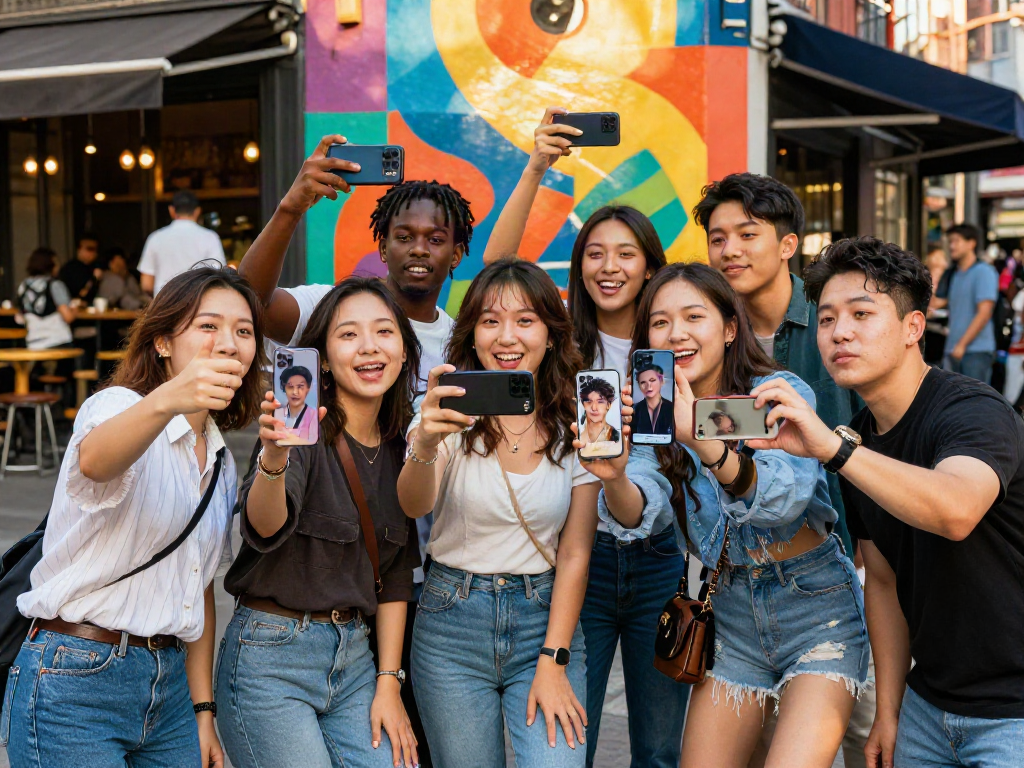
The enjoyment of sharing celebrity lookalike results stems from a blend of humor, curiosity, and social connection. Sharing a potential celebrity twin can spark conversations, lead to social interactions, and even create shared experiences among friends and family. The simplicity of the technology allows it to be a fun topic among peers, further enhancing community bonds.
Building Connections Through Celebrity Comparisons
In a world increasingly dominated by social media, finding a celebrity lookalike can serve as an icebreaker or conversation starter. People are more inclined to connect when discussing shared interests, and a mutual curiosity about celebrity culture can foster new relationships. Users often post their results, inviting friends to join in on the fun, which can bring people together, both online and offline.
Challenges and Positives in the Social Media Landscape
While sharing lookalike results can lead to fun interactions, challenges also exist, such as the potential for negative body image perceptions if comparisons are taken too seriously. It’s essential for users to engage with this technology healthily, understanding that resemblance doesn't equate to worth or value. Overall, the positive aspects of community building, engagement, and entertainment often overshadow the negatives when approached with a light-hearted mindset.
The Future of Celebrity Lookalike Experiences
Emerging Technologies in Face Matching
As technology advances, the future of celebrity lookalike experiences is bright. Device capabilities, including improved camera technology and enhanced processing power, will lead to more sophisticated algorithms. The integration of virtual reality (VR) might also transform the experience, allowing users to "meet" their celebrity lookalikes in virtual environments, significantly enhancing user engagement.
Predictions for Celebrity Lookalike Apps in 2026
In 2026, we can expect celebrity lookalike apps to feature more personalized experiences, utilizing data analytics to understand user preferences and history better. Additionally, as social trends shift, such apps might incorporate more diverse databases, ensuring that users from various backgrounds see relatable comparisons.
Ethical Considerations in Face Recognition Technology
While the technology behind celebrity lookalike apps is fascinating, it also raises ethical questions surrounding privacy, consent, and data usage. Companies must prioritize user privacy, ensuring that images are not misused or shared without consent. As celebrity lookalike technologies continue to evolve, maintaining ethical standards will be essential to foster trust among users.
What is it called when you look like a celebrity?
When individuals remark that someone resembles a celebrity, it is often referred to as having a "celebrity lookalike" or simply being a "lookalike." This comparison taps into the idea of genetic similarities, cultural icons, and our fascination with fame.
How do you say you look like a celebrity?
When expressing that one resembles a celebrity, you might say, “I look like [Celebrity’s Name],” or “I’ve been told I resemble [Celebrity’s Name].” These phrases highlight the comparison without being overly self-assured.
Why do people say I look like a celebrity?
People often comment on resemblances due to recognizable features, such as hair color, skin tone, or facial structure. Sometimes, the resemblance is exaggerated, driven by social media trends or viral challenges that encourage users to find their celebrity counterparts.
Who is a celebrity lookalike?
A celebrity lookalike is someone who has physical similarities to a well-known public figure, often garnering attention for their resemblance. These individuals sometimes work as impersonators or tribute performers, further capitalizing on their similarities.
What celebrity do I look like upload photo?
Many apps and online platforms allow users to upload their photos and instantly receive feedback on which celebrities they resemble the most. Users can compare their features to a vast database, providing entertaining and sometimes surprising results.