Understanding the Concept of Reading
Reading is a fundamental skill that extends beyond mere comprehension of text; it encompasses the ability to derive meaning, context, and insight from written words. As we delve into the concept of reading, it becomes clear that understanding its definition is crucial in appreciating its complexities and significance. When exploring options, read offers comprehensive insights into the multifaceted nature of reading.
What Does it Mean to Read?
At its core, to read means to interpret written symbols—whether letters, words, or sentences—and to extract meaning from them. This process involves not only visual recognition but also comprehension, critical thinking, and the ability to make connections between ideas. Reading can take various forms, each with its nuances, including silent reading, oral reading, and reading for pleasure versus reading for information.
The Evolution of Reading in the Digital Age
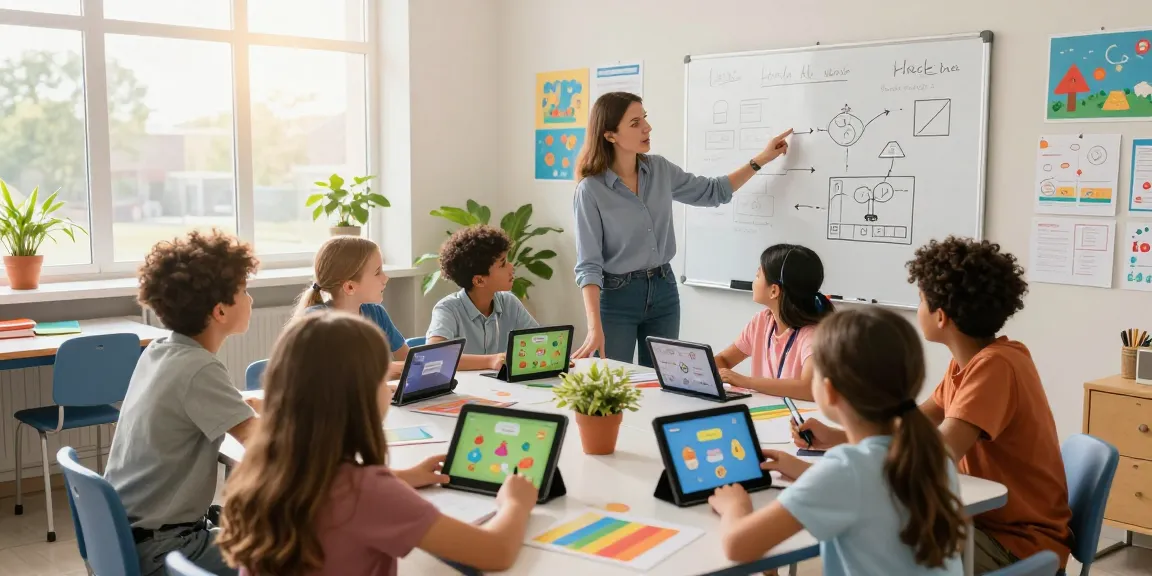
The advent of technology has revolutionized how we consume written content. From the traditional printed page to digital screens, reading has undergone a significant transformation. E-books, audiobooks, and online articles provide greater accessibility to materials that were once confined to libraries and bookstores. Moreover, advancements in artificial intelligence (AI) have introduced tools that can summarize texts, provide instant feedback, and even enhance the reading experience through personalized recommendations.
Benefits of Reading for Personal Growth
Reading is more than just a leisure activity; it plays a pivotal role in personal development. Engaging with diverse texts stimulates the mind, enhances vocabulary, and improves empathy by allowing readers to experience different perspectives. Furthermore, regular reading is linked to improved cognitive function, memory retention, and analytical skills, making it an essential habit for lifelong learning.
Types of Reading Materials
Books vs. Digital Content: What's Best for You?
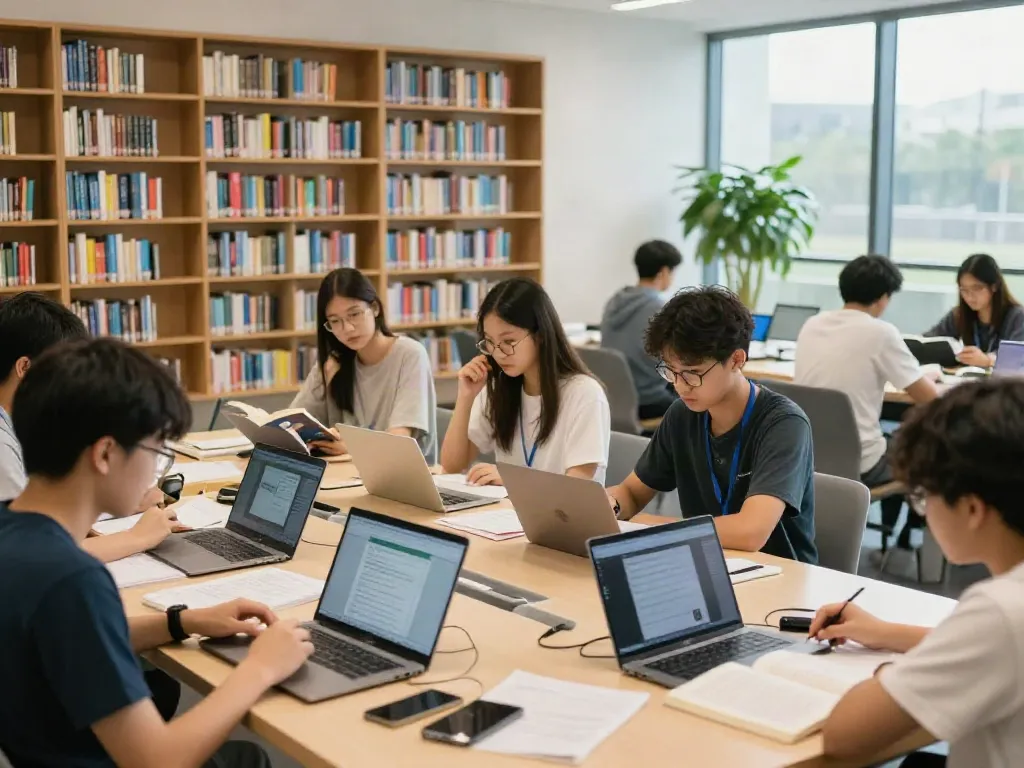
The debate between physical books and digital content has gained momentum in recent years. While physical books offer a tactile experience and the nostalgia of turning pages, digital content provides convenience and portability. Studies suggest that both mediums have their merits; the choice often depends on personal preferences and lifestyle. Understanding these differences can help readers choose the format that enhances their engagement and comprehension.
Discovering Different Genres of Literature
Literature is a vast ocean of genres, each offering unique themes and styles. From fiction and non-fiction to poetry and graphic novels, each genre caters to varied interests and reading habits. Exploring different genres not only broadens one's literary horizon but also enriches the reading experience by introducing unfamiliar styles and narratives that challenge perceptions and provoke thought.
The Importance of Diverse Reading Lists
Diversity in reading is essential for developing a well-rounded perspective. A diverse reading list includes works from various cultures, time periods, and viewpoints. This approach encourages inclusivity and understanding, fostering a habit of critical thinking and reflection. Engaging with a wide array of authors and subjects can also inspire creativity and innovation in readers’ own lives.
Reading Techniques and Strategies
Effective Reading Methods for Better Comprehension
To maximize comprehension, readers should adopt effective techniques tailored to their objectives. Active reading strategies, such as annotating texts, summarizing paragraphs, and asking questions, can significantly enhance understanding. These methods encourage readers to engage deeply with the material, leading to improved retention and insight.
Speed Reading: Techniques and Tools
In today's fast-paced world, speed reading has emerged as a popular technique to absorb information efficiently. This approach involves skimming text, focusing on keywords, and minimizing subvocalization (the silent pronunciation of words). While speed reading can increase reading volume, it is essential to balance speed with comprehension to ensure that vital information is not overlooked.
Note-taking Methods to Enhance Retention
Effective note-taking is crucial for retaining information derived from reading. Techniques such as the Cornell method, mind mapping, or digital note-taking tools can help organize thoughts and reinforce learning. By synthesizing information through notes, readers can create a personalized reference that supports deeper understanding and long-term memory retention.
Challenges Readers Face
Common Misconceptions About Reading
Despite its benefits, reading is often surrounded by misconceptions that can hinder engagement. Common myths include the belief that reading should be done in silence or that one must read quickly to be effective. These misconceptions can discourage potential readers or lead to ineffective reading habits. Understanding the realities of reading can empower individuals to approach texts more openly and creatively.
Combatting Distractions When Reading
In an age of constant notifications and digital distractions, maintaining focus while reading can be challenging. Strategies to combat distractions include creating a dedicated reading space, setting specific reading times, and utilizing apps that minimize interruptions. By cultivating an environment conducive to reading, individuals can enhance comprehension and enjoyment.
Overcoming Reading Fatigue and Building Habits
Many readers experience fatigue, especially after prolonged reading sessions. To mitigate this, it is helpful to take regular breaks and vary reading materials. Building a sustainable reading habit involves setting achievable goals, such as reading a specific number of pages or chapters per day. This approach fosters a positive association with reading, making it a more enjoyable and fulfilling endeavor.
The Future of Reading
Emerging Trends in Digital Reading Experiences
The landscape of reading is continually evolving, with emerging trends shaping how we engage with text. Interactive reading platforms and enhanced digital features, such as multimedia integrations and AI-driven personalization, are redefining the reading experience. As technology advances, future reading materials may incorporate more immersive elements that cater to diverse learning styles.
How AI is Transforming the Way We Read
Artificial intelligence is playing a transformative role in reading, offering tools that personalize recommendations, summarize content, and even enhance comprehension through adaptive learning algorithms. These innovations are designed to assist readers in navigating vast amounts of information, making reading a more tailored and effective process.
Predictions for Reading in 2026 and Beyond
Looking ahead, the future of reading in 2026 is likely to be characterized by further technological integration, including augmented reality (AR) experiences that blur the lines between virtual and traditional reading environments. This evolution will potentially change how we perceive text and stories, creating more immersive and interactive reading journeys that engage the senses beyond just sight.
What are the best techniques for effective reading?
Effective reading techniques include active reading, summarization, and note-taking, all of which enhance comprehension and retention. Engaging with texts through questioning and analysis can also deepen understanding and foster critical thinking skills.
How does reading impact cognitive function?
Regular reading is linked to improved cognitive function, including enhanced memory, concentration, and analytical skills. Engaging with diverse texts stimulates various areas of the brain, promoting neuroplasticity and mental agility.
What types of reading materials are most beneficial?
Beneficial reading materials include a mix of fiction and non-fiction, academic texts, and diverse genres. This variety ensures exposure to different perspectives and styles, enriching the reading experience and fostering growth.
What are common barriers to regular reading?
Barriers to regular reading often include distractions from technology, lack of time, and misconceptions about reading speed and method. Overcoming these challenges involves creating a conducive reading environment and setting realistic goals to cultivate consistent reading habits.
How can technology enhance the reading experience?
Technology enhances the reading experience through interactive platforms, customizable reading settings, and AI-driven recommendations. These tools help readers find materials that match their interests and learning styles, making reading more engaging and accessible.