Understanding Aerospace CNC Machining
Aerospace CNC machining is an essential component of modern aerospace manufacturing, offering precision and efficiency in the production of components critical to flight systems. This advanced manufacturing technique allows for the creation of complex geometries and tight tolerances that are paramount in the aerospace sector. As leading aerospace cnc parts manufacturers, companies must stay ahead of technological advancements and regulatory requirements to meet the demands of the industry.
What is CNC Machining in Aerospace?
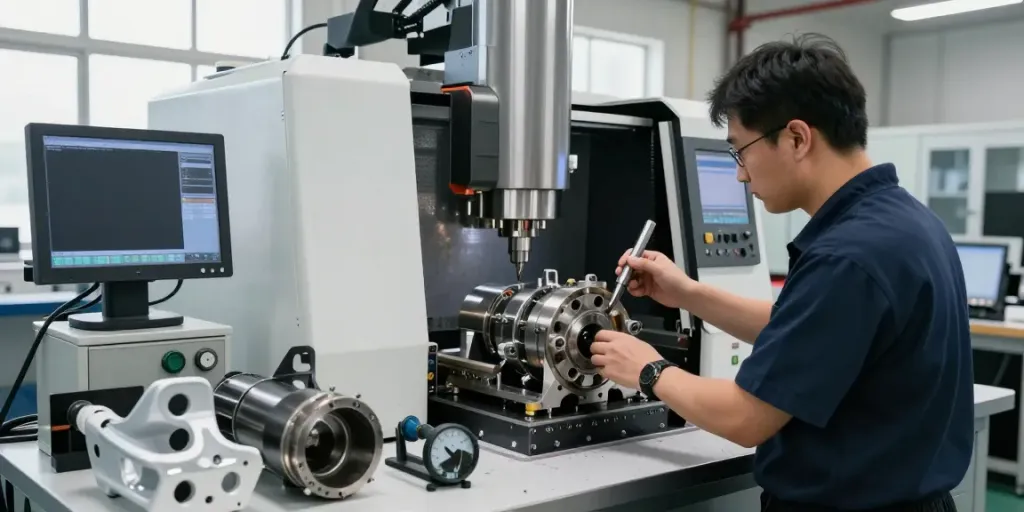
CNC, or Computer Numerical Control machining, involves the use of computer systems to control machine tools for precise manufacturing. In aerospace, CNC machining is utilized to produce components such as engine parts, airframes, and intricate subassemblies. The flexibility of CNC technology allows manufacturers to quickly adapt designs and produce prototypes or large batches, making it ideal for both rapid prototyping and mass production.
Key Benefits of CNC Machining
- Precision and Accuracy: CNC machines can achieve remarkable tolerances, often within a few microns, which is crucial for parts that influence flight safety and performance.
- Efficiency in Production: Automation of machining processes reduces human error and speeds up production times, leading to lower costs and shorter lead times.
- Versatility: CNC machining accommodates a wide range of materials, including metals and plastics, providing manufacturers with flexibility in material selection based on application requirements.
Common Applications in Aerospace
Aerospace CNC machining serves various applications, from manufacturing parts for commercial jets to military aircraft. Common applications include:
- Engine components such as casings and turbine blades
- Structural parts like wing spars and fuselage sections
- Interior fittings including brackets and support systems
- Precision fasteners and fixtures required for assembly
Choosing the Right Aerospace CNC Parts Manufacturer
Selecting the right CNC manufacturer is crucial for ensuring that the components meet the stringent requirements of the aerospace industry. Here are several key factors to consider:
Factors to Consider When Selecting a Manufacturer
- Experience: Look for manufacturers with a proven track record in aerospace machining, as experience often correlates with reliability and quality.
- Technological Capabilities: Assess the manufacturer’s equipment and technology to ensure they can handle the specific needs of your project.
- Customer Support: A responsive customer service team can significantly enhance the collaboration and address issues as they arise without delay.
Evaluating Manufacturing Capabilities
It is essential to evaluate the specific capabilities of a CNC machining manufacturer. This evaluation should include:
- Types of CNC machines available (e.g., 3-axis, 5-axis)
- Range of materials processed and the manufacturer’s expertise in working with aerospace metals and plastics
- Production capacity and the ability to scale operations for increased demand
Understanding Certification and Compliance
Aerospace components must adhere to strict standards and regulations. Look for manufacturers with relevant certifications such as AS9100, which signifies compliance with quality management systems in the aerospace industry. This ensures that the manufacturer meets the necessary safety and quality standards required by the aerospace sector.
Material Selection for Aerospace Parts
The selection of materials is critical in aerospace CNC machining, affecting the performance, weight, and cost of the final product. Here are some insights into material selection:
Popular Metals Used in Aerospace Manufacturing
- Aluminum: Known for its lightweight and corrosion resistance, aluminum is widely used in aerospace applications.
- Titanium: Offers high strength-to-weight ratios and excellent corrosion resistance, making it a favorite for critical aerospace components.
- Stainless Steel: Valued for its strength and durability, stainless steel is often used in components that require high resistance to wear and tear.
Advantages of Advanced Plastics
In recent years, advanced plastics have gained popularity in aerospace applications due to their lightweight properties and resistance to environmental factors. Commonly used plastics include:
- PEEK: Known for its high thermal stability and chemical resistance, ideal for parts subjected to extreme conditions.
- PA (Nylon): Offers excellent mechanical properties and is commonly used in engine and structural components.
How Material Choice Affects Part Performance
The choice of material directly influences the performance, weight, and cost of aerospace components. Manufacturers must carefully consider the specific requirements of each part, such as:
- Weight restrictions for fuel efficiency
- Thermal and chemical resistance based on environmental exposure
- Mechanical properties, including tensile strength and fatigue resistance
Best Practices in Aerospace CNC Manufacturing
To ensure high-quality production, aerospace CNC manufacturers should adopt several best practices:
Ensuring Precision and Accuracy in Production
Investing in state-of-the-art CNC technology and maintaining machines through regular calibration and maintenance are crucial for achieving accuracy in machining. Additionally, incorporating advanced software for design and simulation can help identify potential issues before production begins.
Quality Control Measures and Standards
- Regular Inspections: Implement routine inspections at various stages of production to catch defects early.
- Statistical Process Control (SPC): Utilize SPC techniques to monitor manufacturing processes and maintain consistent quality.
- Documentation: Keep thorough records of manufacturing processes and quality checks to ensure compliance with industry standards.
Optimizing Production Processes for Efficiency
Efficiency in production can significantly impact delivery times and costs. To optimize processes, manufacturers should:
- Implement lean manufacturing principles to eliminate waste and improve workflows
- Use automation where feasible to increase production speed and consistency
- Train staff regularly on best practices and new technologies to improve overall skill levels
The Future of Aerospace CNC Machining
Looking ahead, the aerospace industry is poised to embrace innovations that will shape the future of CNC machining:
Emerging Trends in Aerospace Manufacturing
- Integration of Artificial Intelligence: AI is expected to enhance predictive maintenance capabilities and streamline operations.
- Increased Use of Additive Manufacturing: Combining CNC machining with 3D printing techniques will allow for more complex geometries and reduce waste.
The Impact of Automation and AI
Automation and AI technologies are transforming production lines, enhancing precision, and reducing human error. The implementation of smart factories is anticipated to become a standard in aerospace manufacturing as these technologies mature.
Predictions for Aerospace CNC Parts in 2026 and Beyond
Looking into the future, aerospace CNC manufacturers will likely focus on sustainability, seeking materials and processes that minimize environmental impact. Additionally, ongoing investments in technology will drive innovations that improve quality and reduce costs, making aerospace production more efficient than ever before.
What are the benefits of CNC machining for aerospace?
CNC machining offers significant advantages in the aerospace sector, including precision manufacturing, reduced lead times, and the ability to produce complex components from a wide range of materials.
How do I choose a reliable aerospace CNC manufacturer?
When selecting a manufacturer, consider their industry experience, technological capabilities, certification status, and customer support to ensure they align with your production needs.
What materials are best for aerospace CNC parts?
Popular materials include lightweight metals like aluminum and titanium, as well as advanced plastics like PEEK, which provide critical performance characteristics required in aerospace applications.
What quality standards should aerospace parts meet?
Aerospace parts must comply with strict industry standards, such as AS9100, which ensures quality management systems are in place to meet safety and performance requirements.
How is technology shaping aerospace CNC machining?
Technological advancements are driving improvements in precision, efficiency, and production capabilities in aerospace CNC machining, with emerging trends pointing towards further integration of AI and automation.