Understanding PCB Assembly Services
In the rapidly evolving world of electronics, PCB assembly services play a crucial role in transforming design concepts into functional products. A printed circuit board (PCB) serves as the backbone of electronic devices, providing the physical structure and electrical connections for components. As the demand for advanced electronic functionalities grows, so does the complexity of PCB assemblies. This article delves into the intricacies of PCB assembly services, outlining the various techniques, benefits, challenges, and future trends that define this essential industry. When exploring options, PCB assembly services can provide comprehensive insights into efficient production methods.
What Are PCB Assembly Services?
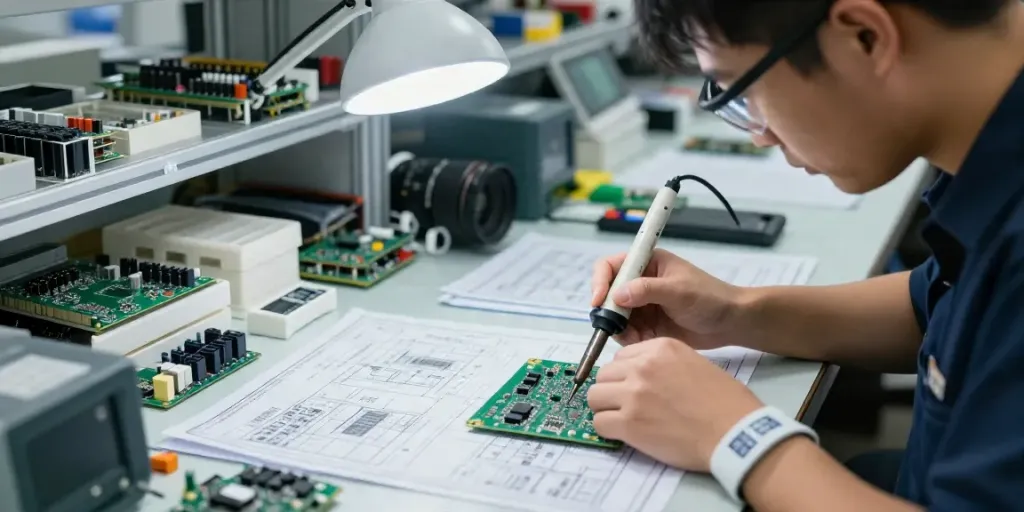
PCB assembly services encompass the processes involved in assembling electronic components onto a PCB. This involves numerous steps, including the placement of components, soldering, testing, and ensuring that the assembly meets quality standards. The service can be categorized into two main types: turnkey assembly, where the service provider manages all aspects of the assembly process, and partial assembly, where clients supply certain components or manage specific stages of production.
Types of PCB Assembly Techniques
There are several assembly techniques utilized in the PCB manufacturing industry, each suited for specific applications:
- Surface Mount Technology (SMT): This is the most common assembly method where components are mounted directly onto the surface of the PCB.
- Through-Hole Technology (THT): Components with leads are inserted through holes in the PCB and soldered on the opposite side, providing robust connections typically used for high-stress components.
- Mixed Technology: Combining both SMT and THT, this method allows for the advantages of both technologies to be utilized in a single PCB.
- Reflow and Wave Soldering: These are soldering processes used in SMT and THT wherein a solder paste is heated to melt and attach components securely.
Benefits of Professional PCB Assembly
Utilizing professional PCB assembly services can have numerous advantages for businesses:
- Cost-Effectiveness: Outsourcing the assembly minimizes overhead costs related to labor, equipment, and production.
- Expertise: Professional assemblers possess the knowledge and experience to handle complex assembly challenges, ensuring high-quality outputs.
- Time Savings: By leveraging efficient production techniques and technologies, companies can significantly reduce their time-to-market.
- Quality Assurance: Assembly services often include rigorous testing procedures to ensure reliability and compliance with industry standards.
Common Challenges in PCB Assembly
Despite the numerous benefits, the PCB assembly process is fraught with challenges. Identifying and addressing these challenges is crucial for successful production.
Identifying Assembly Errors
Assembly errors can arise due to a variety of reasons, such as incorrect component placement, faulty solder joints, or issues in the design phase. Implementing a robust quality control system is essential to catch these issues early in the assembly process, thereby minimizing rework and reducing costs.
Handling Component Sourcing Challenges
As the electronics industry continues to evolve, sourcing quality components can be challenging. Shortages, fluctuating prices, and geopolitical factors can disrupt supply chains. Establishing strong relationships with multiple suppliers and utilizing components with stable supply chains can mitigate these risks.
Mitigating Costs in Production
Producing PCBs can become cost-prohibitive due to high material costs, labor, and overhead expenses. Strategies such as bulk purchasing, efficient design practices to minimize waste, and using automated assembly processes can help reduce these costs.
Strategies for Successful PCB Assembly
To navigate the complexities of PCB assembly, implementing effective strategies is crucial. These strategies encompass quality control, technological advancements, and workflow optimization.
Implementing Quality Control Measures
Robust quality control measures are vital in ensuring the reliability and performance of assembled PCBs. This can include automated optical inspection (AOI), x-ray inspection for hidden solder joints, and functional testing to catch defects before delivery.
Utilizing Advanced Technologies
Advanced technologies such as artificial intelligence (AI) and machine learning (ML) are increasingly being integrated into the PCB assembly process. These technologies can optimize production schedules, predict machine failures, and enhance the accuracy of assembly processes.
Best Practices for Workflow Optimization
Optimizing workflow involves improving the layout of the assembly line, training employees effectively, and implementing lean manufacturing principles to reduce waste and increase efficiency. Continuous improvement practices should be integrated to adapt to changing demands and technologies.
Real-World Examples of PCB Assembly Success
Exploring real-world examples can provide valuable insights into effective PCB assembly practices and innovations that drive industry standards.
Case Studies from Industry Leaders
Leading companies in the electronics sector have set benchmarks in PCB assembly through innovative practices and technologies. For instance, a major smartphone manufacturer streamlined its PCB assembly process by implementing modular design principles, which minimized assembly time and improved scalability.
Innovations Driving PCB Manufacturing
Recent advancements such as flexible PCBs and embedded components are reshaping the landscape of PCB manufacturing. Innovations in materials and design methodologies are driving functionality while maintaining compact sizes and lightweight structures.
Lessons Learned from Failed Assemblies
Failures in PCB assembly can provide critical lessons for industry stakeholders. Analyzing past errors such as miscommunication between design and assembly teams highlights the importance of collaborative approaches and integrated project management tools.
Future Trends in PCB Assembly Services
The PCB assembly industry is poised for transformation as new technologies and market demands emerge. Understanding these trends is essential for companies looking to stay ahead.
Emerging Technologies Shaping 2026
Technological advancements, such as 5G and Internet of Things (IoT), will heavily influence PCB assembly services. The need for high-frequency and high-density interconnects will drive innovations in materials and assembly techniques.
Predicted Market Shifts for PCB Assembly
The demand for quicker turnaround times and lower costs is likely to continue growing. Companies may shift towards more automated solutions and integrated services that encompass both design and manufacturing to stay competitive.
How to Stay Competitive in the PCB Industry
To retain a competitive edge, companies must be adaptable and forward-thinking. Investing in continuous training, embracing new technologies, and fostering strong supplier relationships are essential strategies for success.
What does a PCB assembly do?
A PCB assembly serves as the foundational component of electronic devices, bringing together various electronic elements to create functional systems. This includes the installation of chips, resistors, and other components that allow devices to operate seamlessly.
Why is PCB assembly so expensive?
PCB assembly can be expensive due to several factors, including material costs, labor, and the complexity of designs. High-quality components and rigorous testing protocols can also drive up costs, but they are essential for ensuring reliability.
How much does it cost to assemble a PCB?
The cost to assemble a PCB varies widely depending on factors such as complexity, volume, and assembly techniques used. On average, costs can range from a few cents for high-volume production to several dollars per unit for prototypes or low-volume runs.
Where to find reliable PCB assembly services?
Finding credible PCB assembly services requires thorough research and references. Look for providers with proven track records, certifications, and positive customer feedback to ensure quality and reliability.
How to choose the right PCB assembly partner?
Choosing the right PCB assembly partner involves evaluating their experience, certifications, and capabilities in handling projects similar to yours. Effective communication and a willingness to collaborate are also critical factors in building a successful partnership.