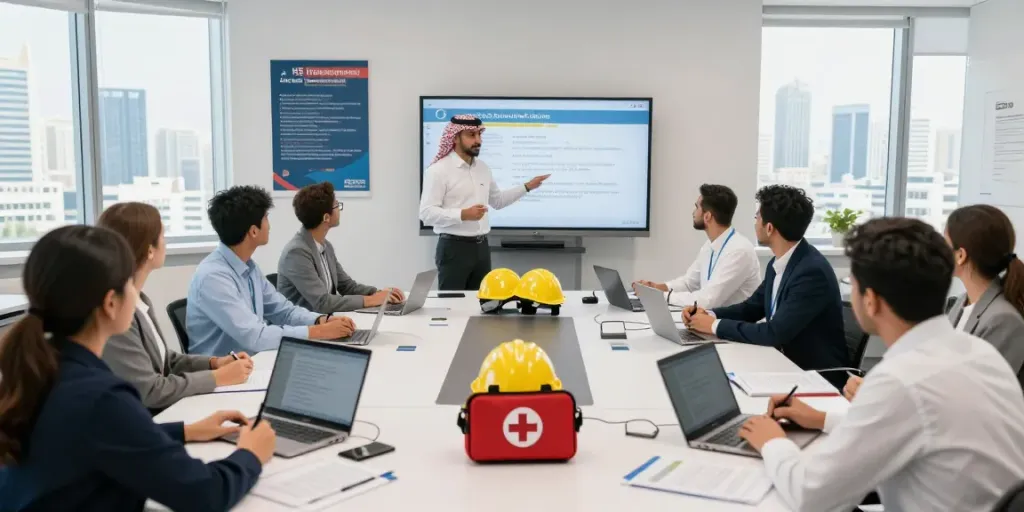
Introduction to Health and Safety Training in Saudi Arabia
As the Kingdom of Saudi Arabia continues to grow as a global economic player, the demand for skilled professionals in health, safety, and environmental (HSE) practices has never been higher. Investing in HSE training is not just a regulatory requirement; it is a strategic necessity for businesses aiming to enhance workplace safety and operational efficiency. In this competitive landscape, selecting the right Training Institute Saudi Arabia becomes crucial for professionals seeking to elevate their qualifications.
Understanding the Role of Training Institutes
Training institutes serve as the backbone of professional development in any industry, especially in HSE. These institutions provide structured learning environments where employees can acquire essential skills and knowledge that comply with both local and international regulations. By partnering with recognized organizations such as the National Fire Protection Association (NFPA) and ProQual (UK), these institutes ensure that their courses are relevant and up-to-date.
The Importance of HSE Certifications
Certifications in health, safety, and environmental management validate an individual’s competence and commitment to workplace safety. They signal to employers that a candidate possesses the required knowledge to manage risks effectively. For instance, certifications like the NVQ Level 6 Diploma in Occupational Health and Safety Practice or ISO 45001:2018 OHSMS are recognized globally, enhancing the employability of professionals in sectors like oil and gas, construction, and manufacturing.
Current Trends in Professional Development
With the rapid evolution of industry standards and best practices, staying informed through continuous education is paramount. Current trends indicate a growing preference for online and hybrid training models, enabling professionals to balance their studies with work commitments. Additionally, an emphasis on soft skills such as leadership and communication is becoming increasingly important, as these attributes complement technical competencies.
Key Programs Offered at Top Training Institutes
Overview of NFPA and ProQual Courses
Leading training institutes in Saudi Arabia offer an extensive range of courses accredited by esteemed bodies such as NFPA and ProQual. These programs are tailored to meet the specific needs of various industries. For example, the NFPA Certification Preparation course equips participants with critical knowledge about fire protection systems, while ProQual courses focus on strategic health and safety leadership, ensuring that graduates can effectively manage HSE initiatives within organizations.
NVQ Diplomas in Health and Safety
National Vocational Qualifications (NVQs) are pivotal in promoting practical skills in occupational safety. The NVQ Level 6 Diploma in Occupational Health and Safety Practice teaches participants to provide comprehensive safety solutions and foster a culture of safety within their teams. Similarly, NVQ Level 3 Certificates prepare learners for on-the-ground safety roles, ensuring employees can identify hazards and implement preventive measures effectively.
Specialized Training Options for Industries
Different sectors have unique safety challenges, and specialized training helps address these issues adequately. For example, courses in Electrical Safety, Fire and Egress Safety, and Hazardous Materials (HAZMAT) Safety are designed for professionals working in high-risk environments. These courses provide critical knowledge required to navigate industry-specific risks, thereby enhancing workplace safety.
Benefits of Enrolling in an HSE Training Institute
Career Advancement and Job Opportunities
Enrolling in an HSE training institute opens numerous doors for career advancement. Professionals equipped with the latest certifications are more attractive to employers, often leading to promotions or new job opportunities. With the increasing focus on safety regulations, the demand for certified health and safety personnel is on the rise, making these qualifications highly sought after.
Compliance with Regulatory Standards
Compliance with national and international safety regulations is non-negotiable for organizations aiming to operate legally and ethically. Training institutes provide essential knowledge on regulatory requirements, ensuring that organizations meet compliance standards, thereby avoiding legal penalties and fostering a safer work environment for employees.
Customized Training for Organizations
Organizations can benefit from tailored training programs designed to meet their specific needs. Customized training allows companies to address particular issues unique to their operations, making it more relevant and effective. Institutions that offer on-site training solutions enable employers to schedule sessions that suit their operational timelines, ensuring minimal disruption.
Real-World Applications of HSE Training
Case Studies of Successful Companies
Several companies in Saudi Arabia have successfully integrated HSE training into their operational frameworks. For instance, a leading oil and gas company implemented a comprehensive training program that resulted in a 40% reduction in workplace incidents over two years. Such case studies highlight the direct impact of structured training on safety and operational performance.
Impact on Workplace Safety and Efficiency
The implementation of HSE training significantly enhances workplace safety by reducing accidents and incidents. Trained employees are better equipped to identify potential hazards and respond effectively to emergencies. Moreover, organizations benefit from improved efficiency as a safe workplace often translates into increased productivity and employee morale.
Feedback from Industry Professionals
Industry professionals consistently report that HSE training has equipped them with invaluable skills that aid in their daily responsibilities. Courses that focus on the practical application of safety protocols not only build confidence among employees but also foster a culture of safety within organizations. This feedback underscores the importance of continuous learning and adaptation in the field of health and safety.
Future Trends and Developments in HSE Training
Emerging Technologies in Training Delivery
With advancements in technology, the delivery of HSE training is evolving. Virtual reality (VR) and augmented reality (AR) are becoming popular tools for simulating real-world scenarios, allowing trainees to engage in hands-on learning experiences in a safe environment. Furthermore, online training platforms are providing flexible learning options, catering to the diverse needs of today’s workforce.
Predictions for HSE Standards in 2026
Looking ahead to 2026, it is anticipated that HSE standards will continue to strengthen, particularly with the integration of technologies and more stringent regulatory measures. Organizations will likely face increased pressure to not only comply with existing standards but also to adopt proactive safety measures, enhancing their overall safety culture.
Continuous Learning: A Necessity in Safety
As workplace environments continually change, continuous learning will be essential for safety professionals. Ongoing professional development ensures that employees remain knowledgeable about the latest practices, technologies, and regulations. Training institutes will play a crucial role in providing accessible learning opportunities that keep professionals updated and compliant.
What are the most recognized certifications in Saudi Arabia?
Several certifications are recognized nationally, including NEBOSH, IOSH, and various ISO certifications. These credentials are essential for professionals seeking to validate their skills and enhance their career prospects in the evolving job market of Saudi Arabia.
How can HSE training impact workplace safety?
HSE training equips employees with the knowledge to identify hazards, understand risk management, and implement safety protocols effectively. This comprehensive training fosters a safety culture that significantly reduces workplace accidents and enhances overall productivity.
What are the benefits of online training programs?
Online training programs offer flexibility, allowing professionals to learn at their own pace while balancing work commitments. They also provide access to a wider range of resources and materials, enabling learners to engage with content in various formats.
How to choose the right training institute?
Selecting the appropriate training institute involves assessing accreditation, course offerings, instructor expertise, and the institution's reputation. It is vital to choose an institute that aligns with your professional goals and meets industry standards.
What are the costs associated with HSE training?
The costs of HSE training can vary significantly based on the course, institution, and delivery method. Organizations should consider budgeting for training as an investment in employee safety and organizational efficiency.