Understanding Telestroke Medicine
Telestroke medicine is a revolutionary approach that leverages advanced telecommunications technology to provide rapid assessment and treatment for stroke patients. With the rising incidence of stroke globally, timely medical intervention is crucial for improving patient outcomes. Telestroke not only connects patients in remote areas to specialized care but also enhances the efficiency of stroke management by providing instant access to stroke experts. For those seeking to delve deeper into the nuances of this transformative healthcare service, Telestroke medicine offers comprehensive insights into its application and efficacy, ensuring that no patient is too far from life-saving interventions.
What is Telestroke Medicine?
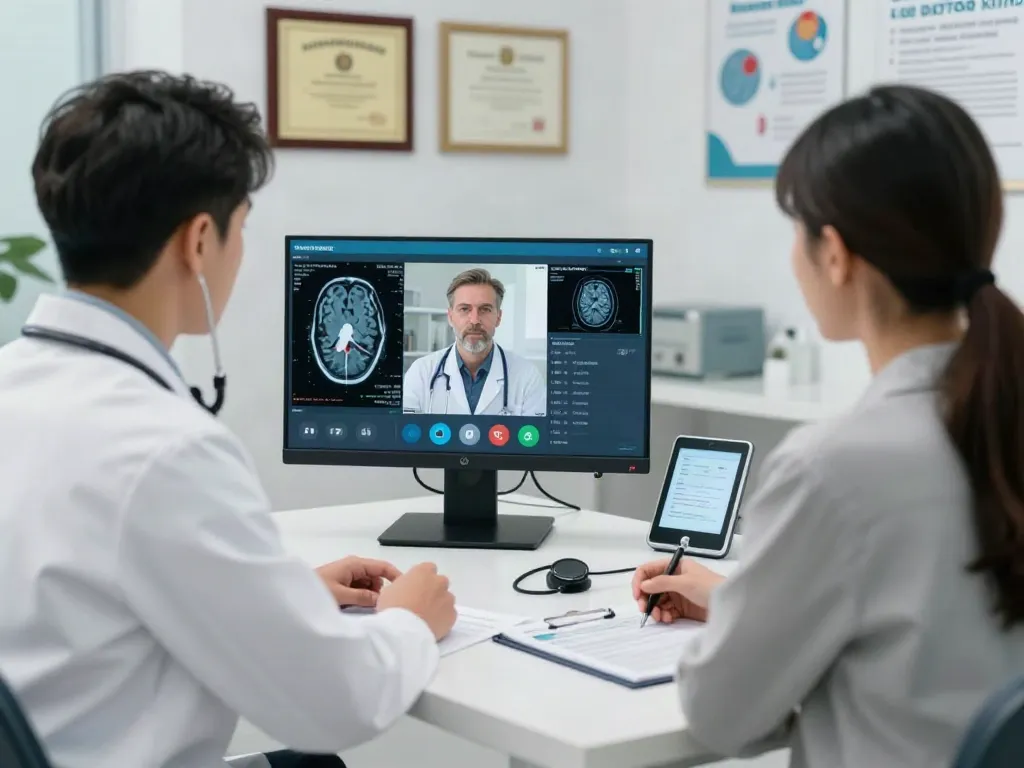
Telestroke medicine refers to the use of telecommunication technologies, including video conferencing and remote monitoring tools, to diagnose and treat patients who exhibit signs of a stroke. This innovative method allows hospitals that may not have a full-time neurologist on staff to connect patients with specialists in real-time. The goal is to enable quick decision-making and treatment initiation, which can significantly reduce the risk of long-term disabilities associated with strokes.
The foundation of telestroke services lies in the principle that time is brain. Every minute a stroke is untreated, approximately 1.9 million neurons can die, leading to irreversible brain damage. By bridging distances, telestroke helps ensure that patients can receive expert care without the delays that traditional emergency transports often involve.
How Does Telestroke Work?
The process of telestroke typically begins when a patient arrives at a local healthcare facility exhibiting symptoms of a stroke, such as weakness on one side of the body or difficulty speaking. The emergency department staff conducts an initial assessment, and if a stroke is suspected, they can quickly consult with a neurologist remotely using secure video technology.
- Initial Assessment: Medical personnel perform vital checks and gather necessary information about the patient's medical history and stroke symptoms.
- Virtual Consultation: Using telecommunication tools, the local healthcare provider connects with a stroke specialist who assesses the patient through real-time video and audio.
- Treatment Decision: The neurologist can provide an immediate diagnosis and recommend the most suitable treatment options, which may include administering clot-busting drugs or arranging for transfer to a comprehensive stroke center.
- Follow-up Care: Telestroke services also facilitate ongoing management and rehabilitation consultations via remote follow-ups.
Importance of Telestroke in Stroke Care
The integration of telestroke services into stroke care is vital for several reasons:
- Access to Specialists: Many rural and underserved areas lack immediate access to stroke specialists. Telestroke bridges this gap, ensuring that expert advice is just a call away.
- Quicker Diagnosis and Treatment: Rapid access to specialists allows for immediate diagnosis and treatment, significantly improving recovery odds.
- Comprehensive Care: Telemedicine ensures patients receive a continuum of care, from initial assessment to rehabilitation.
Benefits of Telestroke Services
Rapid Access to Specialists
One of the standout benefits of telestroke medicine is the rapid access it provides to qualified specialists. In many cases, the difference between a full recovery and severe disability hinges on how quickly a patient can receive care. With telestroke, patients can benefit from expertise that may otherwise be unavailable in their area. This immediacy allows for quicker decisions regarding life-saving treatments.
Improved Patient Outcomes
Studies have shown that patients treated via telestroke services experience better outcomes than those who are treated via standard methods, especially in rural settings. The ability to receive expert care without unnecessary transport delays leads to quicker interventions. For instance, the use of thrombolytics—medications that dissolve clots—can restore blood flow if administered promptly, drastically improving recovery prospects.
Cost-Effectiveness of Telestroke Care
In addition to enhancing patient outcomes, telestroke medicine can also be cost-effective. By reducing the need for costly transport to distant hospitals, and minimizing the potential for long-term rehabilitation due to minimized disability, telestroke services offer a financially viable alternative for health systems. Additionally, fewer hospital stays and quicker recovery times lead to lower overall healthcare costs.
Challenges and Limitations of Telestroke Medicine
Technology Barriers and Accessibility
While telestroke offers many benefits, there are challenges associated with its implementation. One of the primary hurdles is the technological barrier. Not all hospitals are equipped with the necessary technological infrastructure to support telestroke services. Additionally, rural areas may struggle with internet connectivity, which can hinder the effectiveness of telemedicine.
Misconceptions About Telemedicine
There are also misconceptions surrounding telemedicine, including telestroke. Some patients and healthcare providers may be skeptical of the effectiveness of virtual consultations compared to in-person visits. Educational efforts are needed to inform both the public and medical professionals about the capabilities and successes of telestroke programs.
Data Privacy and Security Issues
The use of digital technology raises concerns about data privacy and security. Protecting sensitive patient information during remote consultations is paramount. Healthcare providers must ensure compliance with regulations such as HIPAA (Health Insurance Portability and Accountability Act) to safeguard patients’ personal information while utilizing telehealth services.
Future Trends in Telestroke Medicine
Emerging Technologies Enhancing Telemedicine
As technology continues to evolve, so too does the scope of telestroke medicine. Advancements in artificial intelligence (AI) and machine learning are set to revolutionize how strokes are assessed and treated remotely. For instance, AI can assist in analyzing imaging results, potentially identifying strokes sooner than traditional methods.
Integration with AI in Stroke Diagnosis
The integration of AI technologies can facilitate more accurate diagnoses and treatment recommendations through predictive analytics. By analyzing vast data sets from previous stroke cases, AI can help identify risk factors and suggest proactive measures for at-risk patients. This predictive capability will enhance the overall effectiveness of telestroke services.
Prognosis for Telestroke Services by 2026
Looking ahead to 2026, the prognosis for telestroke services is promising. As health systems increasingly embrace telemedicine, the expectation is for wider adoption of telestroke programs globally. Efforts to improve technological infrastructure, enhance patient education, and advocate for policy changes that support telemedicine will likely drive the growth of these critical services.
How to Choose the Right Telestroke Program
Evaluating Telemedicine Providers
When selecting a telestroke program, patients and healthcare facilities should evaluate potential providers carefully. Factors to consider include the experience of the neurologists, the technological tools available, and the algorithms used for care. A program with a robust track record of delivering positive patient outcomes should be a top consideration.
Key Features to Look for in Telestroke Services
Some key features to consider when choosing a telestroke service include:
- 24/7 Availability: Stroke care is time-sensitive, making round-the-clock availability essential.
- Integrated Care Models: Look for programs that offer comprehensive services, from diagnosis to rehabilitation.
- User-Friendly Technology: The technology used should be seamless, allowing for easy access to care for both providers and patients.
Patient Testimonials and Case Studies
One of the best ways to assess the effectiveness of a telestroke program is through patient testimonials and case studies. Positive experiences from previous patients can provide valuable insights into the quality of care, the responsiveness of the medical team, and the overall efficiency of the service. When evaluating potential programs, consider seeking out testimonials to gauge satisfaction levels.
What is telestroke?
Telestroke is a telemedicine service specifically designed to provide remote diagnosis and treatment for strokes, enabling quick access to specialized care.
What are the main advantages of telestroke medicine?
The primary advantages of telestroke medicine include rapid access to neurological specialists, improved patient outcomes, and cost-effectiveness in stroke management.
How can telestroke medicine improve recovery?
By facilitating quicker diagnosis and treatment through remote access to specialists, telestroke medicine can lead to better recovery rates and reduced long-term disability.
What technology is used in telestroke services?
Telestroke services utilize high-definition video conferencing, remote monitoring tools, and secure communication systems to deliver care and manage patients effectively.
How to access telestroke services?
Patients can access telestroke services through local hospitals equipped with telemedicine technologies, which can connect them to specialized stroke neurologists for immediate care.