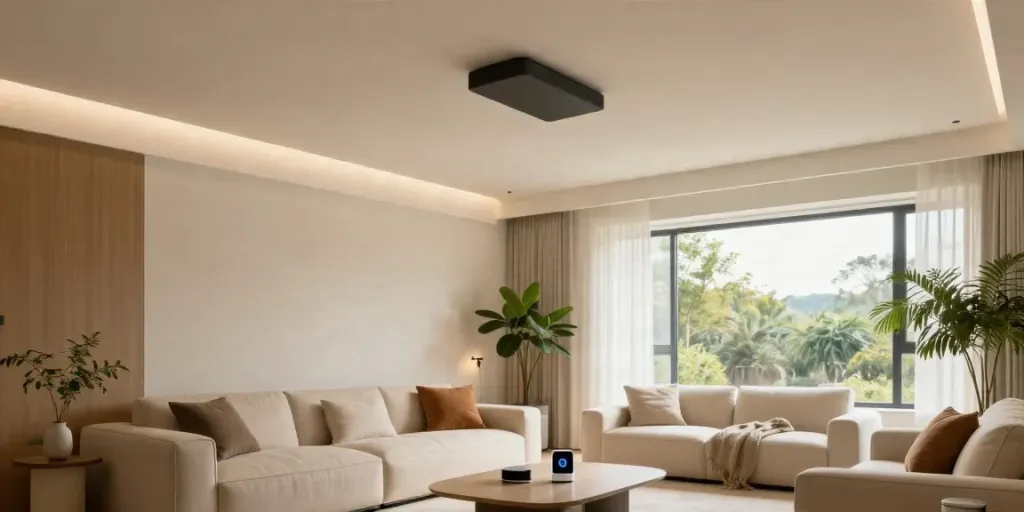
Understanding Ceiling Speakers: What You Need to Know
Ceiling speakers, also known as اسپیکر سقفی, have revolutionized the way we experience sound in our homes and commercial spaces. Unlike traditional speakers that require dedicated space and can disrupt the aesthetic of a room, ceiling speakers are designed to blend seamlessly into the environment. By utilizing the overhead space, these speakers provide a discreet yet powerful audio solution that can enhance any setting, from home theaters to office spaces. This article will explore the various aspects of ceiling speakers, their benefits, features to consider, and how to choose the right model for your needs.
What are اسپیکر سقفی? Definitions and Types
Ceiling speakers are a type of loudspeaker that is installed directly into the ceiling, providing a clean and unobtrusive look while delivering high-quality sound. There are typically two main types of ceiling speakers: in-ceiling and on-ceiling. In-ceiling speakers are embedded within the ceiling material, while on-ceiling speakers are designed to sit on the surface and can be easier to install in certain scenarios. Both types offer unique advantages depending on your acoustic needs and the design of your space.
Benefits of Installing Ceiling Speakers in Your Home
There are numerous benefits to choosing ceiling speakers for your audio system:
- Space-saving: Ceiling speakers utilize overhead space, leaving your floors and walls free for other uses.
- Enhanced Sound Distribution: They provide even sound coverage, making them ideal for larger rooms.
- Aesthetically Pleasing: Their design allows them to blend into the surroundings, maintaining a clean look.
- Flexibility: Suitable for various environments, from home theaters to offices, and can be integrated into smart home systems.
Key Features to Look For in a Ceiling Speaker
When selecting a ceiling speaker, consider the following features to ensure optimal performance:
- Sound Quality: Look for speakers with a wide frequency range to capture deep bass and clear highs.
- Power Handling: Ensure the speaker can handle the power output of your audio system without distortion.
- Installation Type: Choose between passive and active speakers according to your needs.
- Design: Opt for a design that matches your interior décor, with options for grille styles and colors.
Comparing Smart vs. Traditional Ceiling Speakers
As technology evolves, the differences between smart and traditional ceiling speakers have become more pronounced. When exploring options, اسپیکر سقفی provides comprehensive insights into what to consider.
Smart Technology in اسپیکر سقفی: Advantages Explored
Smart ceiling speakers come equipped with features like Wi-Fi connectivity, voice control, and integration with smart home ecosystems. These technologies allow users to stream music from various platforms, control the speaker through voice commands, and even sync with other smart devices for a more immersive experience. This level of convenience and control can significantly enhance your audio experience.
Sound Quality Differences Between Models
When comparing smart vs. traditional models, sound quality is a crucial factor. Traditional speakers often provide robust sound owing to their dedicated components, whereas smart speakers balance sound quality with additional functionality. The choice ultimately depends on whether you prioritize sound performance or seek additional features like wireless connectivity and smart controls.
Price Range: What to Expect in 2026
As of 2026, the price range for ceiling speakers varies significantly based on features, brand, and type. Traditional ceiling speakers can be found for as low as $50, while high-end smart models might cost upwards of $300. It’s essential to evaluate your budget against the features you need to find a model that delivers the best value.
Installation Process: DIY vs. Professional Help
The installation of ceiling speakers can either be a DIY project or delegated to professionals, depending on your level of expertise and the complexity of the installation.
Step-by-Step Guide to Installing Your اسپیکر سقفی
If you choose to install the speakers yourself, follow these steps:
- Plan the Layout: Decide where to position the speakers for optimal sound distribution.
- Gather Tools: You will need a stud finder, drywall saw, and wiring tools.
- Cut the Holes: Use the drywall saw to cut holes for the speakers based on the manufacturer's templates.
- Run the Wires: Connect the wiring from your amplifier or receiver to the cutouts.
- Install the Speakers: Secure the speakers in place according to the instructions provided.
Common Pitfalls and How to Avoid Them
Common mistakes include poor placement, inadequate wiring, and not considering the room’s acoustics. Always evaluate your room's architecture and acoustic needs before installation to avoid these issues.
When to Call in a Professional Installer
If you're uncertain about your skills or the complexity of the installation is beyond your comfort level, it’s best to consult a professional. They can ensure that the wiring is correct and that the speakers are optimally placed for sound quality.
Future Trends in Ceiling Speaker Technology
The world of ceiling speakers is rapidly evolving, with several exciting trends emerging as we move through 2026.
Predicted Innovations in اسپیکر سقفی by 2026
Expect to see innovations like improved wireless technology, enhanced sound processing, and energy-efficient designs. These advancements aim to provide users with better sound quality and more features while consuming less power.
Integration with Smart Home Systems
As more households adopt smart technologies, the integration of ceiling speakers with home automation systems will become increasingly seamless. This will allow for synchronized audio experiences throughout a home, enhancing entertainment and comfort.
Environmental Considerations for Your Speaker Choice
With rising awareness around sustainability, manufacturers are now prioritizing eco-friendly materials and processes in their products. Choosing a model that boasts environmental certifications can contribute positively to your ecological footprint.
Choosing the Right Ceiling Speaker for Your Needs
The selection process for ceiling speakers involves understanding your unique requirements, the characteristics of your space, and the sound experience you aspire to achieve.
Evaluating Your Space and Requirements
Consider the size of your room, the intended use of the speakers, and any design elements that might influence placement. Measure dimensions and think about how sound will travel in your space before making a decision.
Top Brands and Models to Consider in 2026
Some top brands in the ceiling speaker market include JBL, Bose, and Sonos, each offering a variety of models to suit different needs and budgets. In 2026, look for models with high ratings for sound quality, reliability, and user satisfaction.
User Reviews and Recommendations
When choosing a ceiling speaker, exploring user reviews can be invaluable. Feedback from other users can provide insights into performance, installation ease, and overall satisfaction.