Understanding Pre Schools in Singapore
Education in Singapore is highly regarded globally, particularly when it comes to early childhood development. The pre-school sector plays a pivotal role in shaping the foundational skills and competencies of young learners. In Singapore, pre schools accommodate children from the age of 18 months to 6 years, providing essential early education that prepares them for future learning. When exploring options, pre schools in Singapore offer comprehensive insights into the variety of programs available, particularly focusing on holistic approaches that nurture a child's intellectual, emotional, and social growth.
Overview of Pre School Education in Singapore
Pre-school education in Singapore serves as a critical bridge between home and formal schooling. It is characterized by a structured curriculum tailored to the developmental needs of children and is designed to foster curiosity, creativity, and problem-solving skills. In recent years, the government has emphasized quality early childhood education as part of its broader educational policies, ensuring access to high-quality pre-school programs that support holistic learning.
Importance of Early Childhood Development
Research indicates that the early years are crucial for cognitive, emotional, and social development. During these formative years, children's brains develop rapidly, making them highly receptive to learning. Early childhood education not only provides children with foundational academic skills but also helps in developing important social skills, emotional regulation, and self-confidence. Thus, investing in quality early learning experiences can significantly impact a child's lifelong learning journey.
How Pre Schools Cater to Diverse Needs
Singapore is known for its multicultural society, and pre-schools reflect this diversity by offering programs that cater to children from various cultural backgrounds. They often employ bilingual or trilingual education models to support language acquisition, ensuring that children are comfortable in a multicultural environment. Additionally, inclusive practices are prominent in many pre schools, allowing children with different learning needs to thrive alongside their peers.
Curriculum Approaches in Singapore's Pre Schools
Inquiry-Based Learning vs. Traditional Methods
The educational landscape in Singapore has evolved significantly, particularly with the introduction of inquiry-based learning methodologies. Unlike traditional rote learning, which emphasizes memorization, inquiry-based learning encourages children to ask questions, explore their interests, and engage in problem-solving activities. This method nurtures critical thinking and fosters a love for learning, making it a preferred approach in many of the top pre schools in Singapore.
Integrating Play and Exploration into Learning
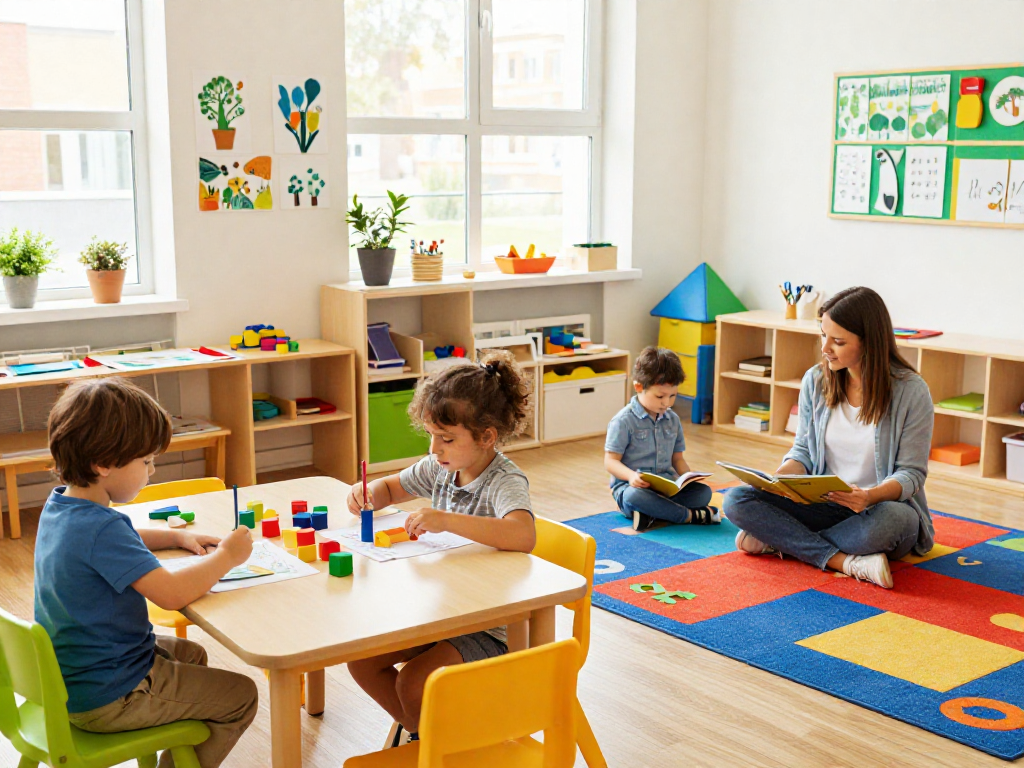
Play is a fundamental aspect of learning in early childhood education. Many pre-schools in Singapore integrate play-based learning into their curriculum, allowing children to explore concepts through hands-on activities. This approach not only makes learning enjoyable but also enhances cognitive development, as children learn to think creatively and work collaboratively with their peers.
Trilingual Education: Benefits of Language Exposure
Given Singapore's linguistic diversity, many pre schools offer trilingual education, typically including English, Mandarin, and a third language such as Malay or Tamil. Exposure to multiple languages enhances cognitive flexibility and cultural awareness among young learners. It prepares them for a globalized world and fosters inclusivity, as children learn to appreciate and respect different linguistic backgrounds.
Choosing the Right Pre School for Your Child
Key Factors to Consider When Selecting a Pre School
When selecting a pre school, parents should consider several factors, including curriculum, teaching staff qualifications, learning environment, and safety measures. Each child is unique, and understanding their individual needs can guide parents to choose a pre school that aligns with their child's learning style and personality.
Understanding Teacher Qualifications and Ratios
Teacher qualifications and student-teacher ratios are crucial indicators of the quality of a pre school. Qualified early childhood educators are equipped to provide tailored learning experiences and foster a nurturing environment. Maintaining a low student-teacher ratio allows for personalized attention, ensuring that each child receives adequate support and guidance during their formative years.
Parental Involvement and Community Engagement
Active parental involvement plays a significant role in a child's education. Many pre schools encourage parents to participate in school activities, fostering a sense of community and collaboration between educators and families. This partnership enhances the learning experience and supports children's emotional security, making the transition to school smoother.
Challenges Faced by Pre Schools in Singapore
Adapting to Changing Educational Needs
With the rapid evolution of educational practices and changing societal needs, pre schools in Singapore face the challenge of adapting their curriculums and teaching methodologies. They must stay abreast of new research and best practices to ensure they are equipping children with the skills necessary for the future.
Addressing Cultural Diversity in the Classroom
While cultural diversity enriches the learning environment, it also presents challenges in addressing various cultural perspectives and languages. Pre schools need to be equipped with the resources and training to manage these dynamics effectively, ensuring all children feel included and valued.
Navigating Regulations and Compliance Standards
Pre schools in Singapore must adhere to strict regulations and compliance standards set by the Early Childhood Development Agency (ECDA). Navigating these requirements can be challenging, particularly for new establishments. However, maintaining high standards is essential for ensuring safety and quality in early childhood education.
Future Trends in Pre School Education
Technological Integration in Early Learning
As technology becomes increasingly integrated into daily life, pre schools are starting to incorporate educational technology into their learning environments. Using interactive tools and digital resources can enhance engagement and provide diverse learning experiences that resonate with tech-savvy young learners.
Sustainable Practices in Pre School Operations
Sustainability is a growing concern, and many pre schools are adopting eco-friendly practices. From promoting recycling to incorporating nature-based learning, these practices not only teach children about environmental stewardship but also engage them in experiential learning that fosters a connection to the natural world.
Preparing Children for a Globalized World
In an increasingly interconnected world, pre schools play a crucial role in preparing children for future global challenges. Fostering critical thinking, creativity, and cultural appreciation will enable young learners to thrive in diverse environments, equipping them to become thoughtful contributors to society.
What age is appropriate for preschool enrollment?
The appropriate age for preschool enrollment typically ranges from 18 months to 6 years, depending on the specific program. Early enrollment can help children acclimatize to structured learning environments and promote socialization skills.
How can I prepare my child for preschool?
Preparing a child for preschool includes fostering independence, encouraging social interactions, and engaging in early literacy and numeracy activities at home. Parents should also familiarize their children with the concept of structured learning through play and routine.
What should I look for in a preschool’s curriculum?
When evaluating a preschool's curriculum, parents should look for a balanced approach that includes academic learning, social-emotional development, and opportunities for creative expression. A focus on inquiry-based learning and hands-on experiences is also essential.
Are preschools in Singapore equipped for international families?
Many preschools in Singapore are well-equipped to cater to international families, offering programs in multiple languages and emphasizing cultural appreciation. These institutions strive to create inclusive environments that celebrate diversity.
How do I assess if a preschool is a good fit for my child?
Assessing a preschool's suitability involves visiting the facility, observing classroom interactions, and speaking with teachers. It's also helpful to consider peer recommendations and reviews from other parents to gauge overall satisfaction and quality.