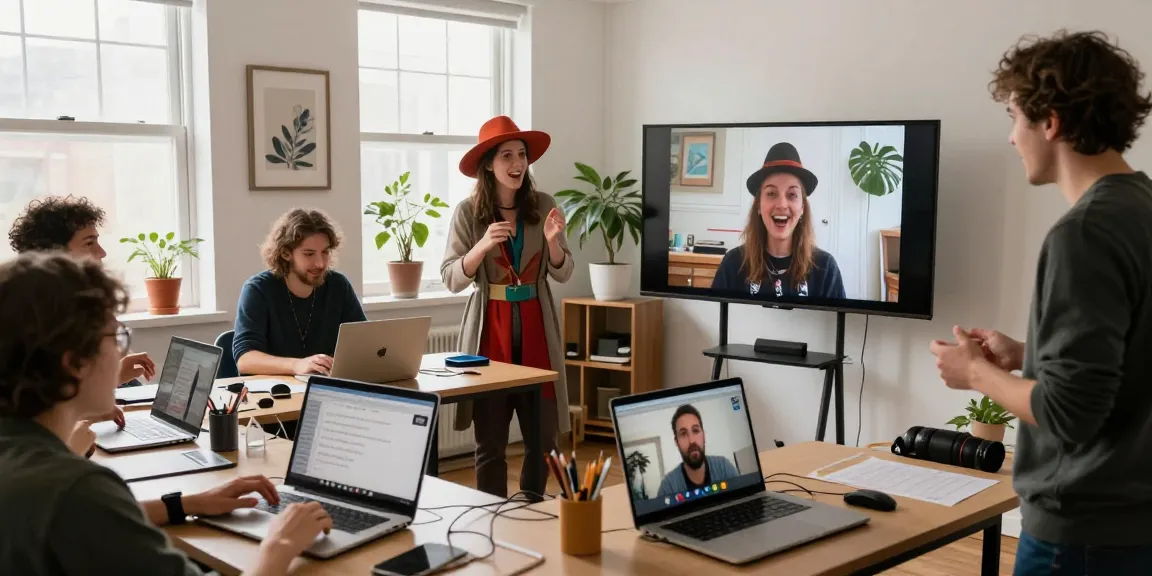
Understanding the Fundamentals of Improv
Improv, or improvisational theater, is an art form that thrives on spontaneity and creativity. It empowers individuals to express themselves in unexpected ways, breaking free from the confines of scripted performances. Engaging in improv can be a transformative experience, whether for personal enjoyment, enhancing communication skills, or boosting confidence. With the rise of online platforms, accessing resources for beginner improv classes online has never been easier, making it accessible for everyone to jump into the world of improv.
What is Improv and Why It Matters?
Improv is a form of live theater where most or all of what is performed is created spontaneously by the performers. It is built on the foundational principle of 'Yes, And…' which encourages acceptance and collaboration. This art form plays a significant role in enhancing creativity and adaptability, both crucial life skills. Improv has been utilized in various settings, from theatrical performances to corporate workshops, demonstrating its versatility and importance in fostering teamwork and innovative thinking.
The Key Principles of Improv Technique
To truly grasp the essence of improv, understanding its core principles is essential. Here are a few key tenets:
- Yes, And…: This principle encourages participants to accept and build upon the ideas of others, fostering a collaborative atmosphere.
- Listening: Effective improv relies on attentive listening skills. Being in tune with your fellow performers creates opportunities for organic interactions.
- Embracing failure: Improv teaches you that mistakes are not just acceptable but are often valuable moments that can lead to unexpected laughter and creativity.
Common Misconceptions About Improv
Many people believe that improv requires innate talent or that it is only for performers. However, this couldn't be further from the truth. Improv is a skill that anyone can learn with practice and dedication. It's about exploring your creativity in a supportive environment, where everyone is encouraged to participate without judgment.
Getting Started with Online Improv Classes
Embarking on your improv journey online can be both exciting and overwhelming. Fortunately, there are various resources available to guide beginners through their first steps. Identifying the right classes and understanding the essentials for online learning can make the process smoother.
Finding the Right Beginner Improv Classes Online
When exploring options, look for beginner courses that emphasize a supportive environment. Programs that focus on core principles and techniques while offering interactive experiences can provide excellent foundational training. Read reviews, check out introductory videos, and engage with instructors to ensure that the classes resonate with your personal learning style.
Essential Tools and Equipment for Online Learning
Taking improv classes online requires some basic tools. Ensure you have a reliable internet connection, a quiet space to participate, and a device capable of video conferencing. A good pair of headphones can enhance your listening experience, making it easier to focus during classes. Additionally, a notebook can be beneficial for jotting down key lessons and improvisational ideas.
Setting Up Your Home Space for Success
Your environment plays a crucial role in your learning experience. Find a comfortable spot free from distractions, where you can fully engage with the class. Consider setting up a backdrop that inspires creativity, and ensure any necessary materials are within reach to enhance your practice sessions.
Techniques to Enhance Your Improv Skills
Practicing specific techniques can significantly improve your improv skills. Engaging with varied exercises not only builds confidence but can also unlock your creative potential.
Improvisational Techniques to Try in Class
Here are a few techniques to try during your classes:
- Character Work: Develop unique characters and explore their perspectives. This helps in enhancing your adaptability on stage.
- Word Association: This exercise aids in improving your quick thinking and response time, essential skills in improv.
- Scene Building: Collaborate with peers to create scenes spontaneously, focusing on building relationships and environments.
Building Confidence in Your Performance
Confidence is key when it comes to improv. Repeated practice and exposure to various scenarios boost your self-esteem. Embrace public speaking exercises, and always remember that vulnerability enhances authenticity, making your performance more engaging.
Encouraging Creativity and Spontaneity
To nurture your creativity, challenge yourself with exercises that push your boundaries. Try performing in front of friends or family, or participate in online jam sessions. The more you perform, the more natural spontaneity will become in your improv practice.
Real-World Applications of Improv Skills
The skills developed through improv extend far beyond the stage. They are immensely beneficial in everyday life and various professional contexts.
Using Improv in Everyday Life and Communication
Improv enhances your ability to communicate effectively, think on your feet, and adapt to unexpected situations. Whether engaging in conversations or making rapid decisions, the skills acquired from improv practices can greatly improve your interpersonal interactions.
How Improv Can Improve Professional Skills
In corporate settings, improv training can foster teamwork, enhance creativity, and improve problem-solving abilities. Companies are increasingly integrating improv into their training programs to encourage collaboration and innovation among employees.
Stories from Successful Improv Practitioners
Many renowned figures in the entertainment industry attribute their success to improv training. For instance, actors like Tina Fey and Steve Carell credit their comedic skills and adaptability to their experiences with improv, illustrating the profound impact this art form can have on personal and professional development.
Future of Online Improv Classes
The evolution of digital learning methodologies continues to influence the realm of improv training. As more practitioners embrace online formats, the landscape is shifting to accommodate new technologies and teaching techniques.
Emerging Trends in Digital Learning for Improv
Virtual reality (VR) and augmented reality (AR) are becoming increasingly popular in online improv training, providing immersive experiences that can enhance learning. These technologies offer new ways to engage participants and simulate live interactions, which are vital for practicing improvisational skills.
Innovative Techniques for Engaging Participants
Instructors are incorporating gamified learning experiences and interactive platforms that allow for real-time feedback and collaboration. This encourages a dynamic learning environment that keeps participants motivated and engaged.
What's Next for the Improv Community in 2026
As we look to the future, the improv community is expected to expand its reach, incorporating more diverse voices and styles. From online festivals to inclusive workshops, the evolution of this art form will continue to inspire creativity and connection across various platforms.
How Can Improv Shape Personal Development?
Improv not only facilitates communication but also encourages resilience and adaptability. Engaging in improv exercises can help individuals overcome anxiety and embrace uncertainty, fostering a positive mindset that extends into all areas of life.
Are Online Improv Classes Effective?
Online improv classes have proven to be effective for many learners. For more information, improv for beginners offers valuable insights. They provide flexible schedules and access to a wide variety of instructors and styles. With the right approach, participants can gain significant skills that translate to both personal growth and professional success.