Understanding TradingView: The Complete Overview
In the rapidly evolving world of financial markets, having the right tools can make all the difference in trading success. TradingView stands out as a comprehensive platform that provides users with real-time market data, advanced charting capabilities, and customizable alerts. Whether you're a novice trader or a seasoned professional, understanding the full spectrum of features offered by TradingView is essential. This article aims to provide an in-depth look at what TradingView is, its core features, and the benefits it offers to traders of all levels.
What is TradingView and Its Core Features?
TradingView is a web-based platform that offers a suite of tools for traders and investors. At its core, it combines real-time market data with advanced charting capabilities, making it an invaluable resource for technical analysis. Key features of TradingView include:
- Interactive Charts: Traders can create customized charts using a plethora of technical indicators and drawing tools.
- Market Data: Access to a wide variety of markets, including stocks, forex, cryptocurrencies, and commodities.
- Social Networking: Traders can share ideas and strategies through a vibrant community of users.
- Alerts: Set customizable alerts based on price movements or technical conditions, ensuring you never miss crucial opportunities.
Benefits of Using TradingView for Traders
Utilizing TradingView presents numerous advantages for traders. Here are some of the main benefits:
- User-Friendly Interface: Its intuitive design makes it easy for both beginners and professionals to navigate.
- Cross-Device Compatibility: TradingView is accessible via desktop, tablet, and mobile devices, allowing traders to analyze markets on the go.
- Extensive Resources: In addition to charts, users have access to an array of educational resources and scripts to enhance their trading experience.
- Real-Time Collaboration: With the ability to share charts and ideas, traders can collaborate in real-time with other users.
Comparative Analysis of TradingView vs Competitors
When comparing TradingView with other trading platforms, it’s essential to consider several factors such as features, usability, and pricing. While there are several competitors in the market, TradingView distinguishes itself through:
- Advanced Charting Tools: Unlike many competitors, TradingView offers highly customizable charting options that cater to an array of trading strategies.
- Community Engagement: The social features allow for sharing insights and learning from fellow traders, which is not as prevalent in other platforms.
- Frequent Updates: TradingView continually improves its platform with updates and new features based on user feedback.
Effective Charting Techniques with TradingView
Charting is a fundamental aspect of trading, and TradingView provides extensive options to improve chart analysis. Whether you are looking to identify trends or visualize price movements, the platform's features can significantly enhance your trading strategy.
Utilizing Indicators for Enhanced Trading Decisions
Indicators are mathematical calculations based on price, volume, or open interest that offer insights into market momentum. TradingView supports a wide array of indicators, including:
- Moving Averages: Useful for identifying trends and potential reversal points.
- MACD: This momentum oscillator helps traders determine buy or sell signals.
- Fibonacci Retracements: Aids in predicting potential support and resistance levels.
By integrating these indicators into your trading strategy, you can make more informed decisions and enhance your performance.
Multi-Chart Layouts: Why They Matter
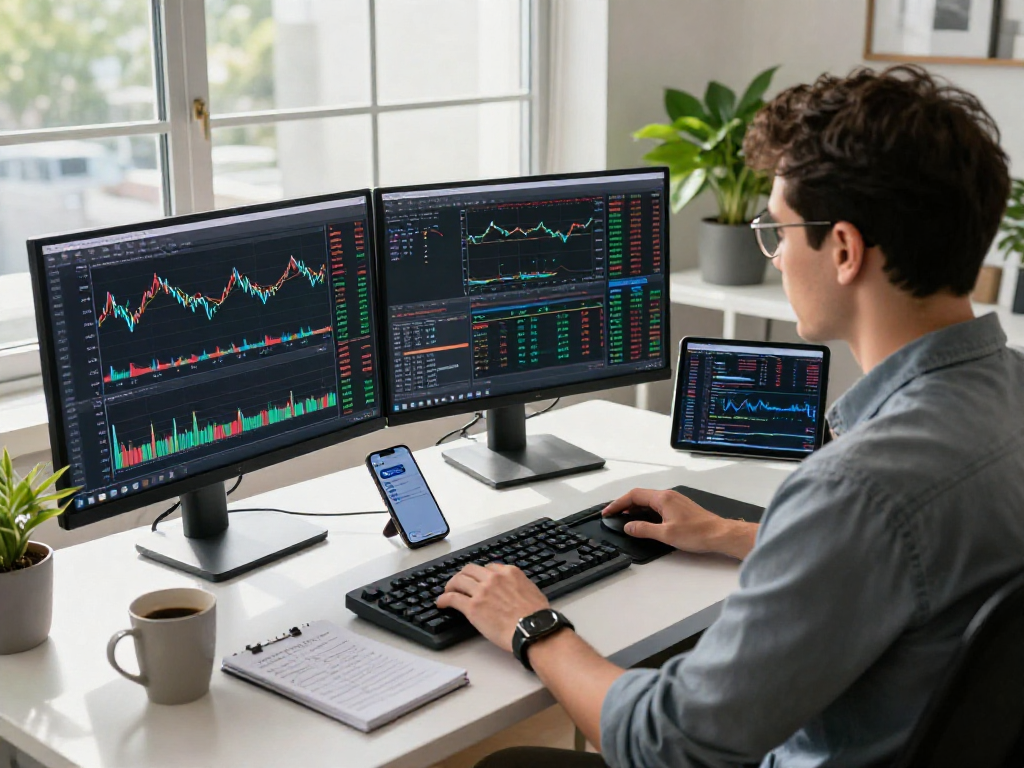
TradingView allows users to set up multiple chart layouts, which is particularly beneficial for those tracking various assets simultaneously. Multi-chart layouts enable traders to:
- Compare Assets: Analyze different markets or multiple timeframes side by side.
- Monitor Correlations: Assess how different assets move in relation to each other, providing further insights for your trading decisions.
- Streamline Analysis: Enhance efficiency by reducing the need to switch between different charts.
This feature maximizes productivity and allows for faster reactions to market movements.
Customizing Your TradingView Workspace for Efficiency
Customization is key when it comes to optimizing your TradingView workspace. Users can adjust their interface to suit personal preferences, which can result in more efficient trading activities. Some customization options include:
- Chart Themes: Choose between light and dark modes based on your visual comfort.
- Tool Arrangement: Reorganize indicators and tools to prioritize those you use most frequently.
- Workspace Layout: Save multiple layouts for different trading styles or strategies.
By taking the time to customize your workspace, you can significantly enhance your trading experience.
Setting Up Alerts on TradingView
One of TradingView's standout features is its alerts system, designed to notify traders of specific market conditions without the need for constant monitoring. Understanding how to effectively set up alerts is crucial for maximizing trading opportunities.
Understanding Price Alerts and Their Importance
Price alerts are notifications that trigger when an asset reaches a predefined price point. This feature is particularly important for:
- Time Management: Freeing up time by reducing the need to watch charts continuously.
- Seizing Opportunities: Ensuring you are alerted to important price movements, allowing you to take action quickly.
With TradingView, setting up price alerts is straightforward, as users can customize notification channels such as email or mobile alerts.
Conditional Alerts: A Guide to Advanced Usage
Beyond simple price alerts, TradingView offers conditional alerts based on various criteria, such as technical indicators or market conditions. Some advanced options include:
- Indicator Crossovers: Alert when one indicator crosses above or below another.
- Multiple Conditions: Set alerts for combinations of price movements, allowing for complex trading strategies.
These conditional alerts can help traders refine their strategies and make more informed decisions based on specific market behaviors.
Managing Alerts Across Multiple Devices
In today's fast-paced trading environment, managing alerts across multiple devices is crucial. TradingView synchronizes alerts across all platforms, meaning you can:
- Stay Updated: Receive alerts on your mobile device while analyzing on your desktop.
- Adjust Settings Anywhere: Modify your alert settings regardless of your location or device.
This cross-device compatibility ensures that you remain engaged with the market, whether you are at your desk or on the move.
Optimizing Trading Strategies Using TradingView
TradingView provides tools that can help traders optimize their strategies, making it easier to implement and refine their techniques.
Integrating Technical Analysis with TradingView Tools
Technical analysis is key in identifying trading opportunities. TradingView's robust tools allow users to:
- Conduct Detailed Analysis: Utilize charts and indicators to perform in-depth analyses of price action.
- Backtest Strategies: Test historical performance of trading strategies to evaluate their effectiveness.
By leveraging these tools, traders can develop more robust strategies tailored to their trading styles.
Backtesting Strategies within TradingView
Backtesting involves applying a trading strategy to historical data to see how it would have performed. TradingView simplifies this process with:
- Easy Strategy Implementation: Users can create scripts using Pine Script to automate backtesting.
- Comprehensive Results: Analyze the outcomes and adjust strategies based on performance metrics.
Using TradingView for backtesting can save valuable time and provide insights into the viability of trading strategies.
Real-World Strategies from Successful Traders
Learning from successful traders is invaluable. TradingView hosts a community where users share their strategies, which can inspire new trading ideas. Some common strategies include:
- Trend Following: Identifying and trading in the direction of market trends.
- Range Trading: Buying and selling at established support and resistance levels.
By engaging with the community and observing real-world applications of trading strategies, users can enrich their trading knowledge and skills.
Frequently Asked Questions About TradingView
How Can Beginners Start with TradingView?
For beginners, the best way to start with TradingView is by exploring its extensive library of educational resources and tutorials. Users are encouraged to familiarize themselves with the platform's features through practice and experimentation.
What Devices Are Compatible with TradingView?
TradingView is compatible with various devices, including Windows, macOS, Linux desktop versions, as well as iOS and Android mobile applications. This versatility ensures that traders can access their accounts anytime, anywhere.
Is TradingView Suitable for All Types of Traders?
Yes, TradingView caters to a wide range of traders, from beginners seeking basic tools to experienced professionals requiring advanced technical analysis features. Its wide array of functionalities makes it suitable for virtually any trading style.
What Are the Costs Associated with TradingView?
TradingView offers a free plan with limited features, alongside several premium subscription tiers that unlock additional functionalities. Users can choose a plan based on their specific needs, allowing for flexible access to the platform.
How Does TradingView Ensure Data Accuracy?
TradingView ensures data accuracy by partnering with reputable market data providers and continuously updating its databases. This commitment allows traders to receive reliable and timely market information.