Understanding Reclaimed Water Systems
In an era where water scarcity is becoming increasingly prevalent, reclaimed water systems are emerging as a pivotal solution for sustainable water management. These systems harness wastewater—previously deemed unusable—and convert it into high-quality reusable water through advanced treatment processes. The efficiency and adaptability of reclaimed water systems make them essential tools not only for municipal infrastructure but also for industrial applications, especially as global demands for fresh water continue to escalate. This article delves into the intricacies of reclaimed water systems, their benefits, the technologies employed, and their applications across various sectors.
What Are Reclaimed Water Systems?
Reclaimed water systems are designed to treat wastewater to a standard that allows it to be reused for beneficial purposes. This process involves several stages of filtration and treatment, depending on the intended use of the water. By recycling water, these systems reduce the demand for freshwater sources and mitigate environmental impacts associated with wastewater disposal.
Benefits of Using Reclaimed Water
There are numerous advantages to implementing reclaimed water systems, which include:
- Water Conservation: Reclaimed systems significantly reduce reliance on freshwater sources, which is crucial in arid and drought-prone regions.
- Cost-Effectiveness: Utilizing treated wastewater can often be more economical than sourcing fresh water, especially in industrial applications.
- Environmental Protection: These systems help to decrease wastewater discharge into natural water bodies, thereby protecting aquatic ecosystems.
- Flexible Applications: Reclaimed water can be used for irrigation, industrial processes, and even potable applications in advanced systems.
Common Misconceptions About Reclaimed Water
Despite the clear benefits of reclaimed water systems, several misconceptions persist. One common myth is that reclaimed water is unsafe or unhygienic. In reality, extensive treatment protocols ensure that reclaimed water meets or exceeds safety standards set by health organizations. Another misconception is that reclaimed water is only suitable for irrigation; however, it can also be used effectively in industrial processes and even for potable purposes in some advanced treatment scenarios.
Key Technologies in Reclaimed Water Systems
Modern reclaimed water systems utilize a variety of technologies to ensure effective treatment. The following are some of the key technologies integral to these systems:
Membrane Bioreactor (MBR) Technology
MBR technology combines biological treatment with membrane filtration. This process allows for the production of high-quality effluent that is free from solids and pathogens. MBR systems can be compact and are particularly useful in areas with limited space.
Ultrafiltration and Reverse Osmosis (UF+RO)
Ultrafiltration (UF) and Reverse Osmosis (RO) are critical processes for enhancing water quality. UF removes colloidal particles and pathogens, while RO effectively eliminates dissolved solids, thereby producing water that is suitable for a multitude of applications, including drinking water.
Integration of Smart Technologies
Smart technology integration in reclaimed water systems enables real-time monitoring and optimization of the treatment processes. This can include automated control systems that enhance operational efficiency while ensuring compliance with environmental regulations.
Applications of Containerized Reclaimed Water Systems
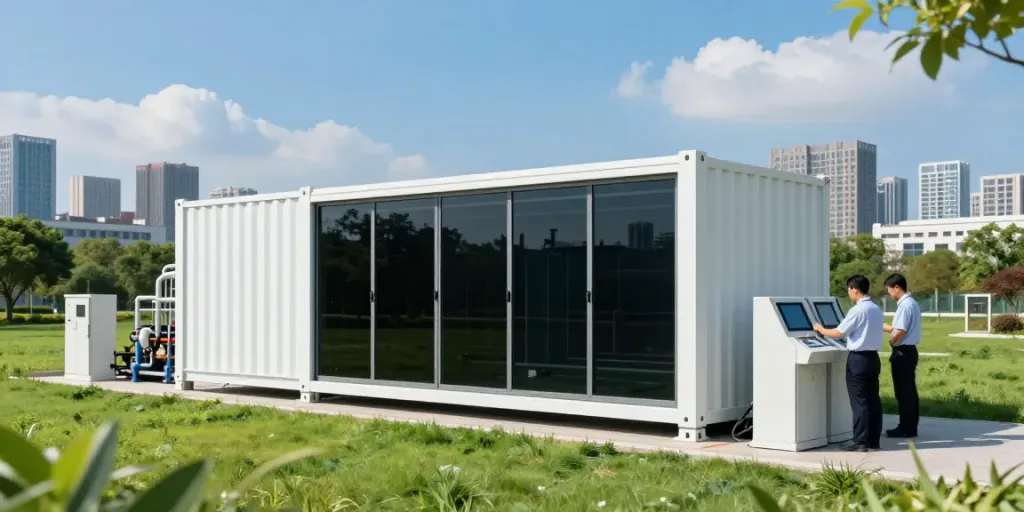
Containerized reclaimed water systems offer flexibility and rapid deployment across various settings. Some of their primary applications include:
Municipal Usage and Benefits
Municipalities are increasingly adopting reclaimed water systems for uses such as landscape irrigation, street cleaning, and toilet flushing. This helps to conserve precious freshwater reserves, especially in urban areas facing growth and increased demand.
Industrial Applications for Resource Conservation
Industries, from manufacturing to food processing, benefit significantly from reclaimed water systems. They often use treated wastewater for cooling processes, cleaning, and even as part of the production cycle, helping to reduce overall operational costs.
Decentralized Solutions for Remote Communities
For remote communities lacking access to centralized water treatment facilities, containerized reclaimed water systems can provide sustainable solutions. These mobile units can be deployed quickly to address local water needs, helping to improve quality of life.
Implementation Strategies for Reclaimed Water Projects
Successfully implementing a reclaimed water project requires careful planning and execution. Consider the following strategies:
Assessing Project Feasibility and Needs
Begin by conducting thorough assessments to understand local water needs, potential sources of wastewater, and existing infrastructure. Feasibility studies can help in determining the technical and economic viability of the project.
Key Stakeholder Involvement
Engaging stakeholders, including local governments, businesses, and community members, is critical for the success of reclaimed water initiatives. Their input can guide project design and ensure community support.
Steps for Operationalizing Water Reuse Solutions
Once project parameters are defined, the following steps should be taken:
- Design the system tailored to specific requirements.
- Procure necessary permits and approvals.
- Undertake construction and system installation.
- Implement training programs for operation and maintenance personnel.
Future Trends in Water Reuse and Sustainability
The future of reclaimed water systems looks promising, especially as global water demands increase. Key trends include:
Innovative Approaches for 2026 and Beyond
Emerging technologies such as advanced oxidation processes and AI-driven monitoring systems are set to revolutionize reclaimed water treatment, making it more efficient and effective.
Regulatory Changes Affecting Reclaimed Water Systems
Governments are beginning to recognize the importance of water reuse in achieving sustainability goals. Future regulatory frameworks may provide incentives for water reuse projects and establish clearer guidelines for safety and efficacy.
Case Studies: Successful Reclaimed Water Implementation
Analyzing successful case studies can provide insights into best practices in reclaimed water systems. For example, cities like Windhoek in Namibia have effectively integrated reclaimed water into their water supply, demonstrating that with the right infrastructure and public support, these systems can thrive.
What does "reclaimed water system" mean?
A reclaimed water system is a network of processes designed to treat wastewater so that it can be reused for various applications, from irrigation to industrial use. The technology employed ensures that the reclaimed water meets safety and quality standards.
What are the disadvantages of using recycled water?
While the benefits are significant, potential disadvantages include public perception challenges regarding safety and the need for infrastructure investment. Awareness and education can help overcome these barriers.
Is reclaimed water cheaper than regular water?
In many cases, reclaimed water can be cheaper than fresh water, particularly in regions facing water scarcity. Industrial users often find that integrating reclaimed water into their processes leads to substantial cost savings.
How does a water reclaim system work?
A water reclaim system typically involves a multi-step treatment process that includes primary treatment (screening and settling), secondary treatment (biological processes), and tertiary treatment (filtration and disinfection) to produce high-quality reusable water.